


Sensitive skin requires a careful, thoughtful approach to skincare. Products that work beautifully for other skin types can cause stinging, redness, flushing, and irritation on sensitive skin. Korean skincare has become a sanctuary for people with reactive skin because its foundational philosophy – gentle formulations, barrier support, and calming botanicals – aligns perfectly with what sensitive skin needs.
Understanding Sensitive Skin
Sensitive skin is not a single condition but rather a spectrum of reactivity. Some people have genetically sensitive skin that has always been reactive. Others develop sensitivity over time due to barrier damage from harsh products, over-exfoliation, environmental stressors, or underlying conditions like rosacea or eczema.
Common Signs of Sensitive Skin
- Redness that appears easily and lingers
- Stinging or burning when applying skincare products
- Tightness and discomfort, especially after cleansing
- Visible capillaries or broken blood vessels
- Skin that reacts to temperature changes, wind, or sun exposure
- Flushing triggered by spicy food, alcohol, or stress
- Patches of dryness or flaking
- Breakouts or rashes in response to new products
Why Sensitive Skin Needs Special Attention
At its core, sensitive skin has a compromised or thinner moisture barrier. The stratum corneum (the outermost layer of the skin) is less effective at retaining moisture and blocking irritants. This means environmental triggers, bacteria, and even ingredients in skincare products can penetrate more easily, causing inflammatory responses.
The goal of any sensitive skin routine is twofold: calm existing irritation and rebuild the barrier so the skin becomes more resilient over time.
The Korean Approach to Sensitive Skin
Korean skincare culture places enormous value on skin health, and the sensitive skin segment of the K-beauty market is exceptionally well-developed. Several features of the Korean approach make it particularly suitable for reactive skin.
Centella-Focused Formulations
Centella asiatica (also known as cica, tiger grass, or gotu kola) is the cornerstone ingredient of Korean sensitive skin care. This plant has been used in traditional Asian medicine for centuries to heal wounds and reduce inflammation.
The four key active compounds in centella asiatica are:
- Madecassoside – Powerful anti-inflammatory that calms redness and irritation
- Asiaticoside – Promotes collagen synthesis and wound healing
- Madecassic acid – Strengthens the skin barrier and reduces inflammation
- Asiatic acid – Supports tissue repair and has antioxidant properties
Korean “cica” products have become a global phenomenon, and for good reason. They address the two fundamental needs of sensitive skin – calming inflammation and repairing the barrier – with a single, well-researched botanical ingredient.
Minimal Ingredient Lists
Korean brands that specialize in sensitive skin tend to keep their ingredient lists short and focused. Rather than loading products with dozens of botanical extracts, fragrances, and essential oils, the best K-beauty sensitive skin products use a carefully curated selection of proven, non-irritating ingredients. This minimalist approach reduces the risk of triggering a reaction.
Fragrance-Free and Hypoallergenic Options
The Korean market offers an extensive range of fragrance-free products. While some K-beauty brands are known for their beautiful scents, the sensitive skin segment prioritizes function over fragrance. Many products are also dermatologically tested and labeled as hypoallergenic.
Key Soothing Ingredients in Korean Sensitive Skin Products
Centella Asiatica and Madecassoside
As discussed above, centella and its derivatives are the gold standard for calming sensitive skin. Madecassoside, in particular, is one of the most effective anti-inflammatory compounds available in cosmetic formulations. It works by inhibiting the production of pro-inflammatory cytokines, reducing redness and discomfort at the cellular level.
Ceramides
Ceramides are lipids that occur naturally in the skin barrier. They form the “mortar” between skin cells, sealing in moisture and keeping out irritants. Sensitive skin often has depleted ceramide levels, which is why ceramide-rich products are essential for barrier repair. Korean sensitive skin lines frequently feature a blend of ceramides (NP, AP, and EOP) to mimic the skin’s natural lipid composition.
Panthenol (Provitamin B5)
Panthenol is a humectant and skin protectant that attracts water, supports barrier function, and has anti-inflammatory properties. It is one of the most gentle and universally tolerated hydrating ingredients, making it ideal for sensitive skin. Korean products for reactive skin often use panthenol at concentrations of five percent or higher.
Allantoin
Allantoin is a gentle, non-irritating ingredient that soothes skin, promotes cell regeneration, and softens the stratum corneum. It is particularly effective for sensitive skin that is also prone to dryness or flaking. Allantoin works well alongside centella and panthenol, and the three are frequently combined in Korean calming formulations.
Beta-Glucan
Beta-glucan is a polysaccharide with exceptional soothing and hydrating properties. It calms inflammation, supports the immune function of the skin, and provides moisture retention comparable to hyaluronic acid but with better tolerability for sensitive skin types.
Squalane
Squalane is a lightweight, plant-derived oil that mimics the skin’s own lipids. It is non-comedogenic, non-irritating, and helps strengthen the moisture barrier. For sensitive skin, squalane provides gentle, effective emollient protection without the risk of clogging pores or triggering reactions.
The Dewdap CICATEA Line for Sensitive Skin
One standout example of Korean sensitive skin care is the Dewdap CICATEA product line, which centers on centella asiatica to deliver calming, barrier-repairing benefits.
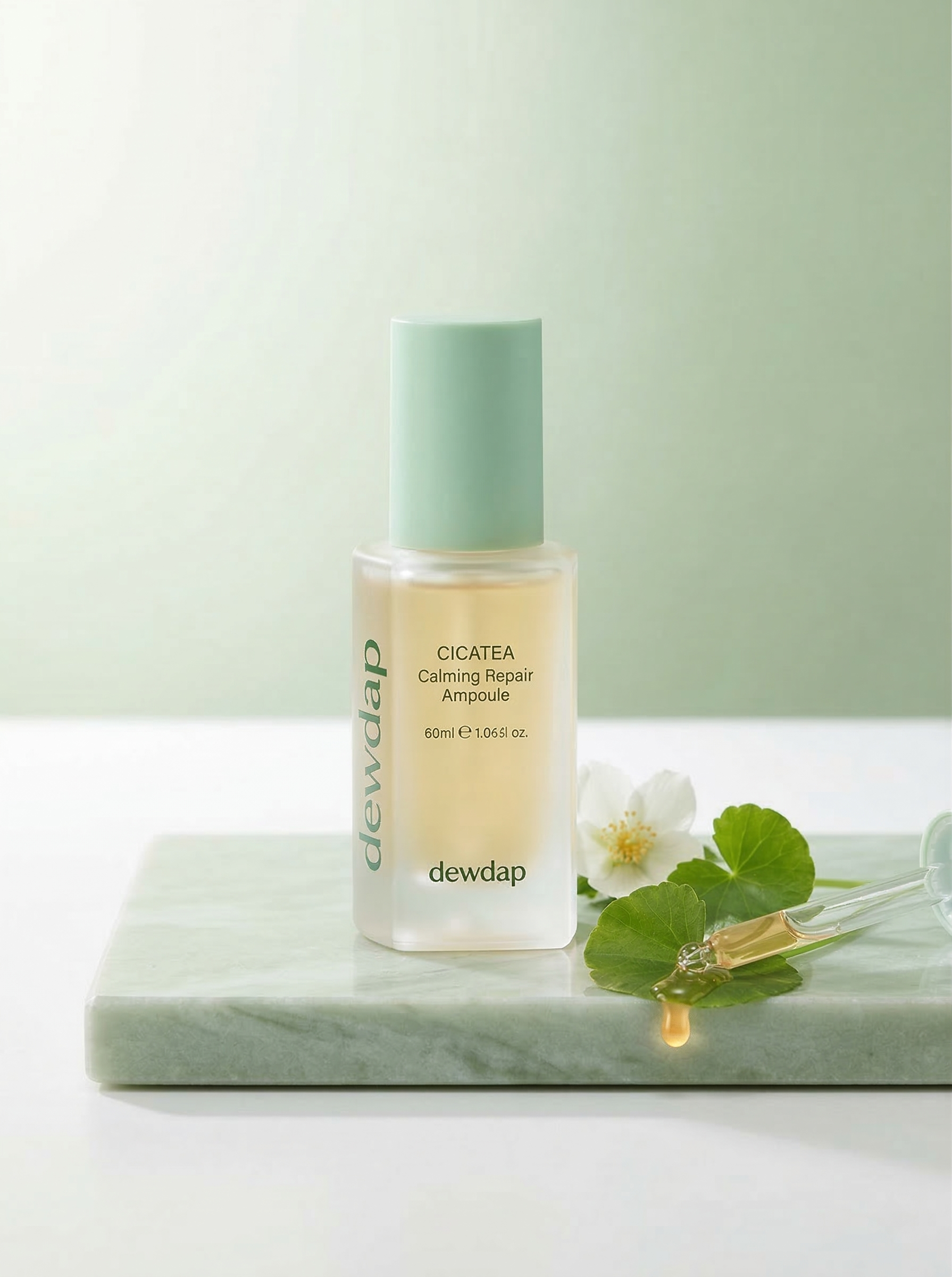
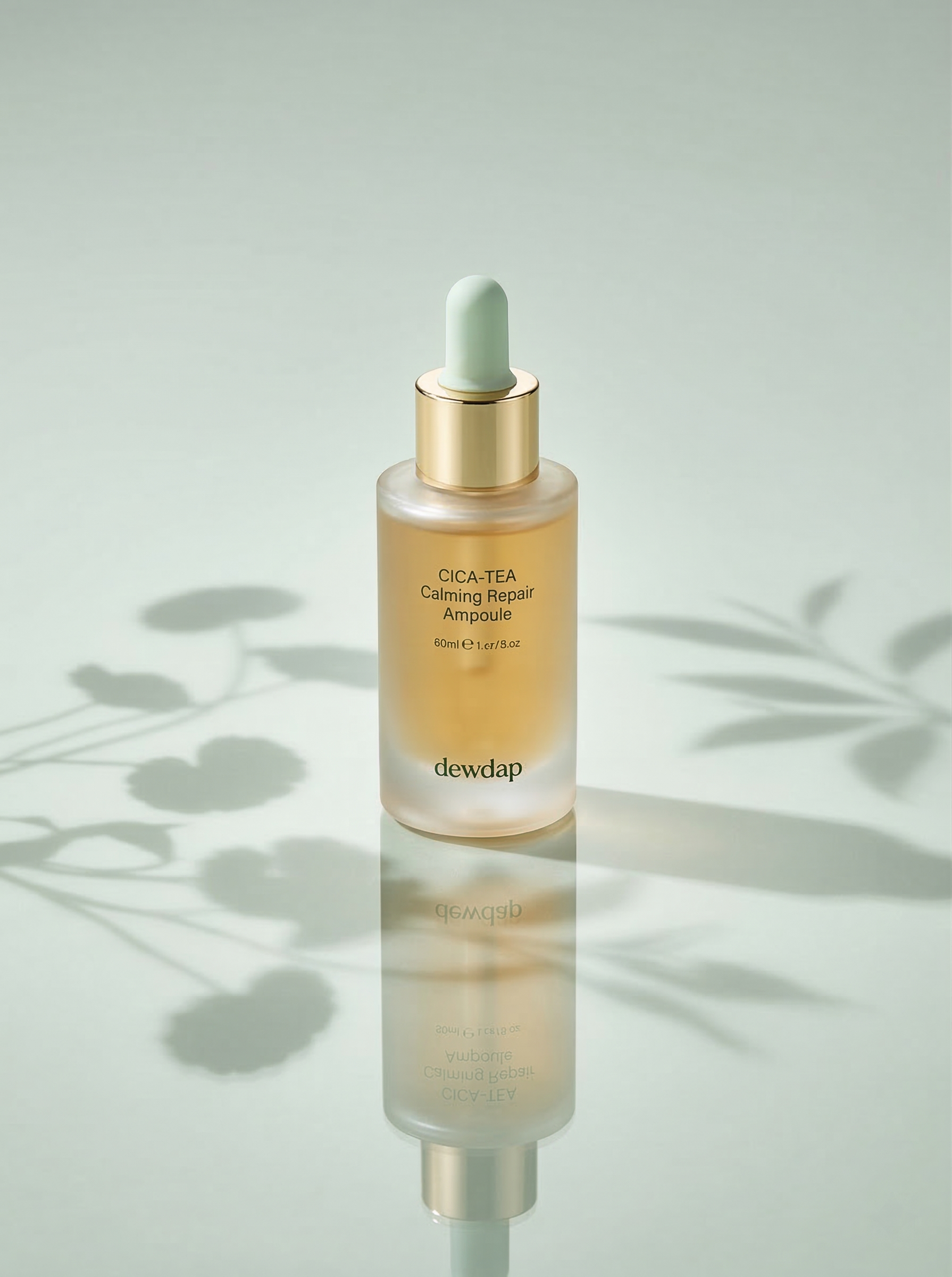
The Dewdap CICATEA Calming Repair Ampoule is formulated with a high concentration of centella-derived actives, including madecassoside, to soothe irritated skin and accelerate barrier recovery. Its lightweight texture absorbs quickly without leaving residue, making it suitable for layering in both morning and evening routines.
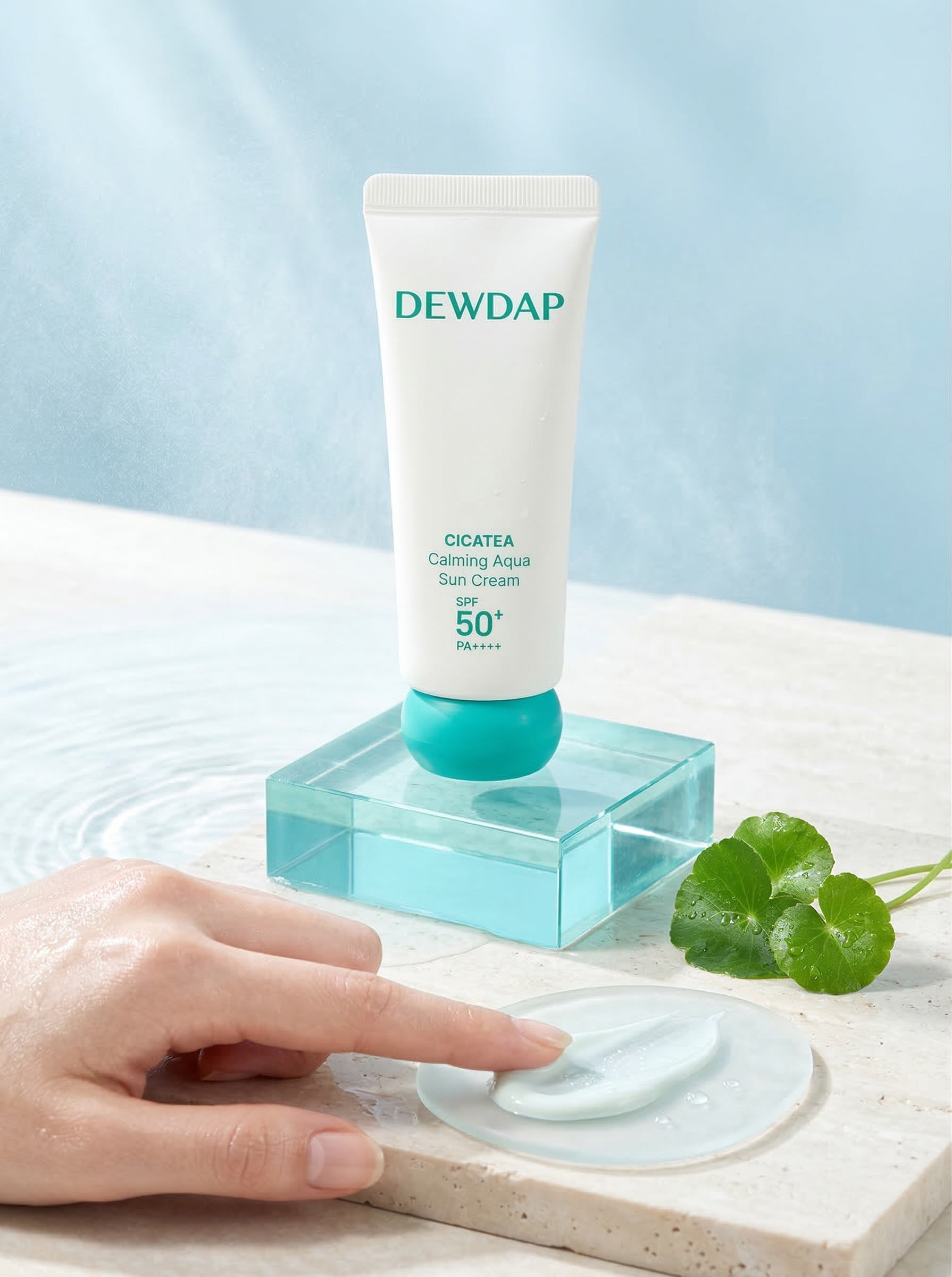
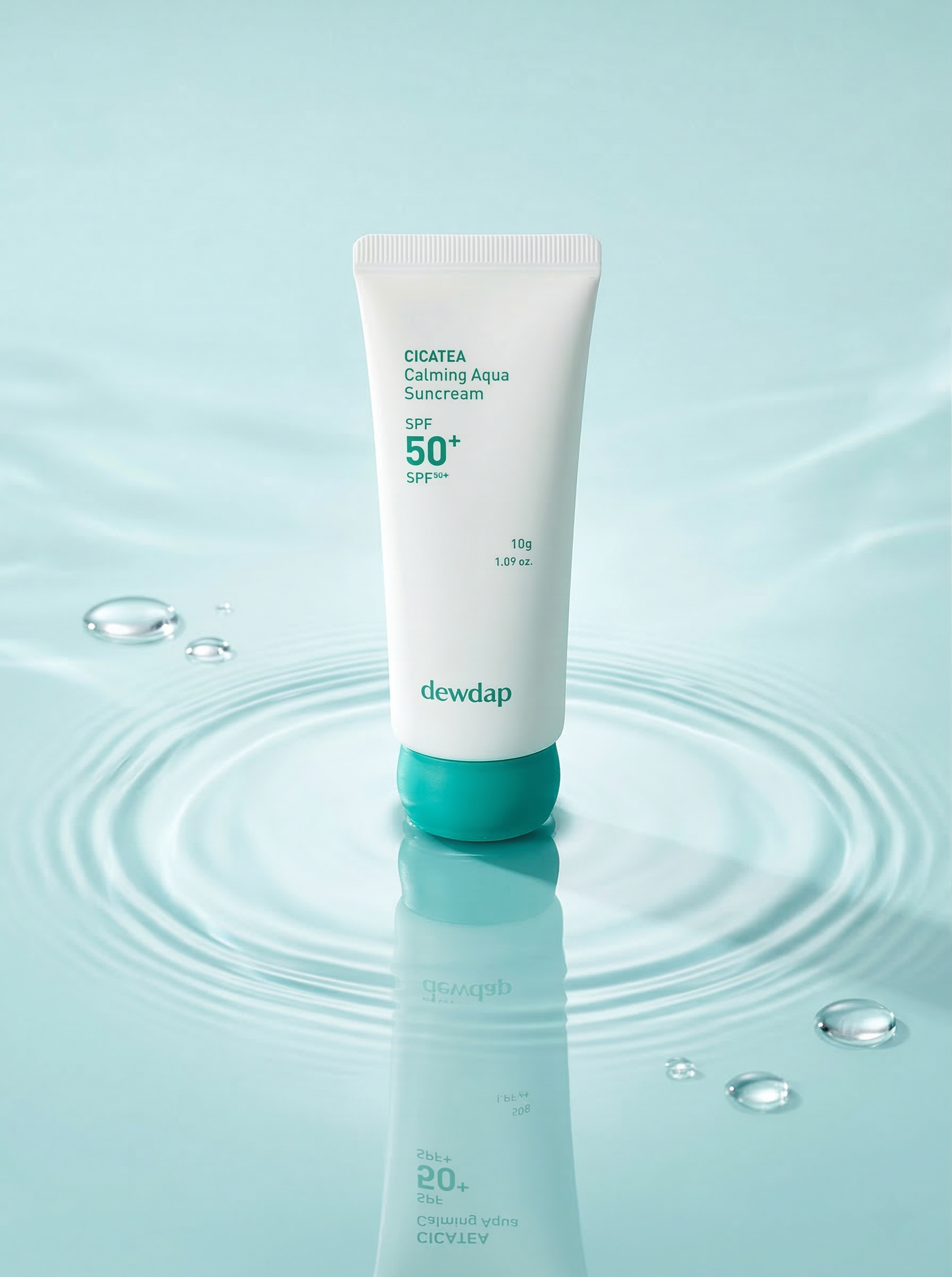
The Dewdap CICATEA Calming Aqua Suncream addresses one of the biggest challenges for sensitive skin: finding a sunscreen that does not cause irritation. This sunscreen provides SPF protection with a gentle, hydrating formula enriched with centella asiatica. It avoids common irritants like heavy fragrances and alcohol, making it a reliable daily option for reactive skin that still needs UV protection.
A Korean Skincare Routine for Sensitive Skin
The most important principle for sensitive skin routines is minimalism. More products mean more potential irritants. Start with the basics and only add steps when you are confident your skin can handle them.
Morning Routine
- Gentle cleanser or water rinse – If your skin is very reactive in the morning, simply rinsing with lukewarm water is sufficient. Otherwise, use a mild, fragrance-free, low-pH gel or cream cleanser.
- Calming toner – A centella or panthenol-based toner, applied by pressing gently into the skin with your palms (avoid cotton pads, which create friction).
- Soothing serum or ampoule – The Dewdap CICATEA Calming Repair Ampoule or a similar centella-focused serum to calm and protect.
- Ceramide-rich moisturizer – A gentle cream with ceramides and squalane to seal in hydration and fortify the barrier.
- Mineral sunscreen – Choose a physical (mineral) sunscreen with zinc oxide or titanium dioxide, which are generally better tolerated by sensitive skin than chemical UV filters. The Dewdap CICATEA Calming Aqua Suncream is designed specifically for this purpose.
Evening Routine
- Gentle oil cleanser or micellar water – To remove sunscreen without rubbing or friction.
- Low-pH cream or gel cleanser – A gentle second cleanse.
- Calming toner – Same as morning.
- Treatment serum – Centella, panthenol, or beta-glucan serum.
- Night cream or sleeping mask – A richer ceramide cream or a soothing overnight mask to support barrier repair during sleep.
Important Notes
- Introduce one new product at a time and wait at least one to two weeks before adding another. This allows you to identify any product that causes a reaction.
- Patch test everything – Apply a small amount of any new product to a discreet area (behind the ear or along the jawline) for two to three days before applying to your full face.
- Avoid layering more than five to six products – Sensitive skin does better with fewer, well-chosen products than with an extensive multi-step routine.
What to Avoid with Sensitive Skin
Knowing what to exclude from your routine is just as important as knowing what to include.
- Fragrance and essential oils – These are among the most common causes of sensitization and allergic reactions. Avoid products listing “parfum,” “fragrance,” or specific essential oils (lavender, eucalyptus, citrus oils) high on the ingredient list.
- Denatured alcohol (alcohol denat.) – Dries out the skin and compromises the barrier.
- Harsh surfactants – Sodium lauryl sulfate (SLS) and sodium laureth sulfate (SLES) are too stripping for sensitive skin.
- High concentrations of active acids – AHAs, BHAs, and vitamin C at high percentages can cause stinging and redness. If you want to exfoliate, use PHAs (polyhydroxy acids), which are gentler.
- Physical scrubs – Abrasive particles cause micro-tears in the skin, worsening sensitivity.
- Retinol (initially) – While retinol can be beneficial, it should only be introduced very gradually and at low concentrations once the barrier is strong.
Strengthening Your Barrier for Long-Term Resilience
The ultimate goal of a sensitive skin routine is not just to manage symptoms but to build a stronger, more resilient barrier over time. With consistent use of ceramides, centella, panthenol, and gentle hydrating ingredients, many people find that their skin becomes less reactive over months of care.
This process requires patience. The skin barrier takes approximately four to six weeks to turn over completely, and meaningful improvements in sensitivity often take two to three months of consistent, gentle care. Resist the temptation to add strong actives too soon. Focus on the basics – cleanse gently, calm inflammation, hydrate deeply, protect the barrier, and shield from UV – and let your skin heal at its own pace.
Korean skincare offers sensitive skin exactly what it needs: respect, patience, and scientifically-backed gentle care. By choosing the right ingredients and resisting the urge to overdo it, you can transform reactive, uncomfortable skin into a calm, resilient complexion.