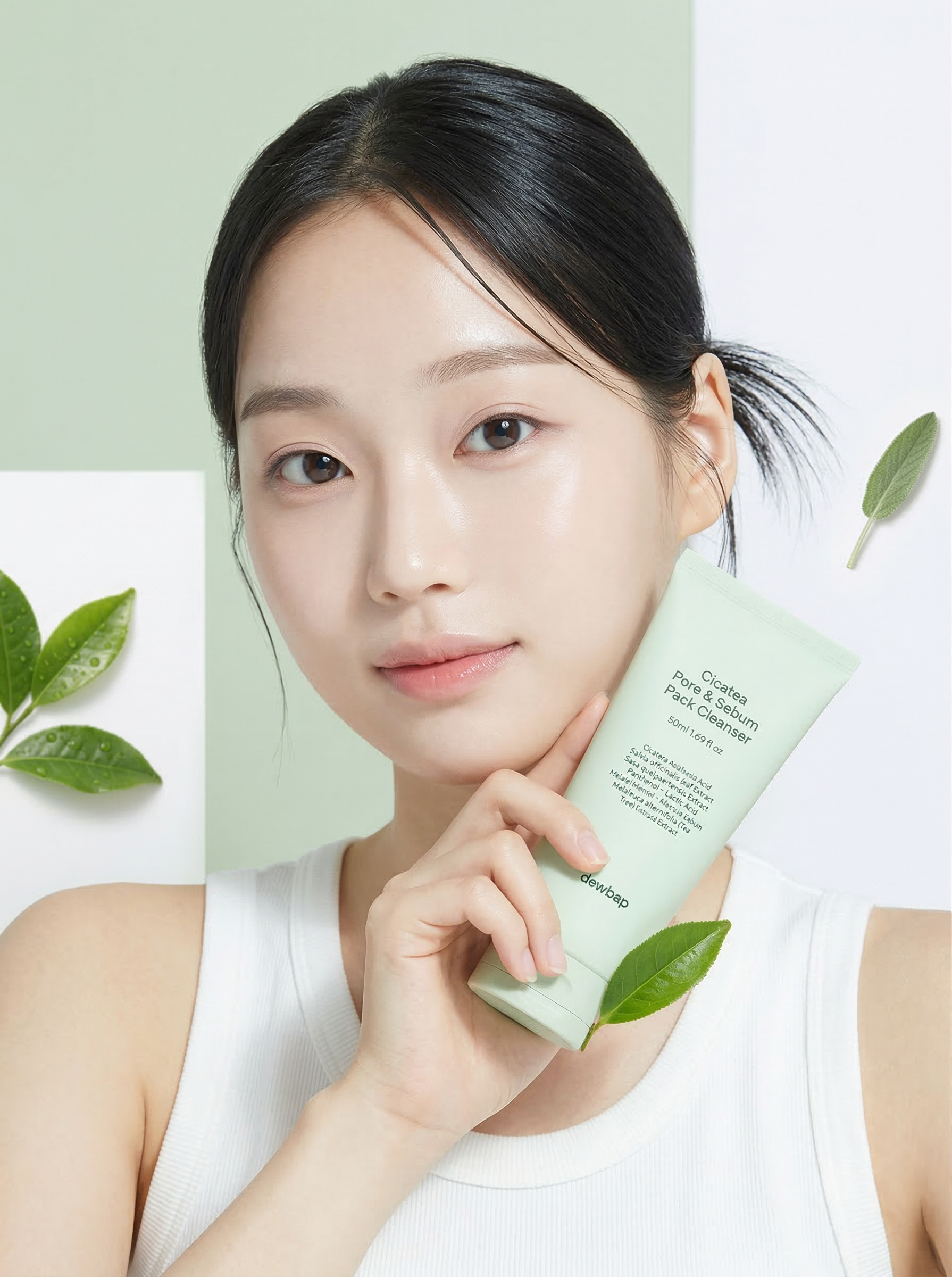
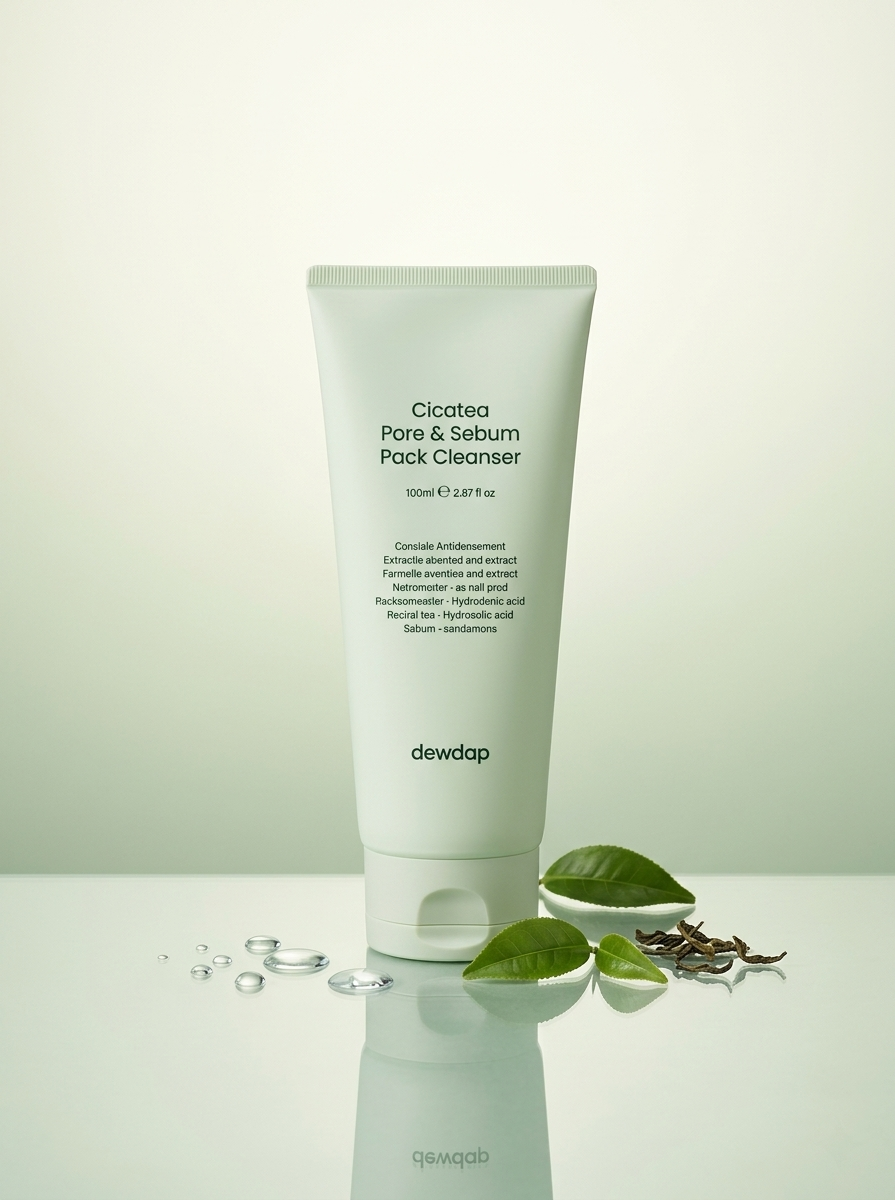
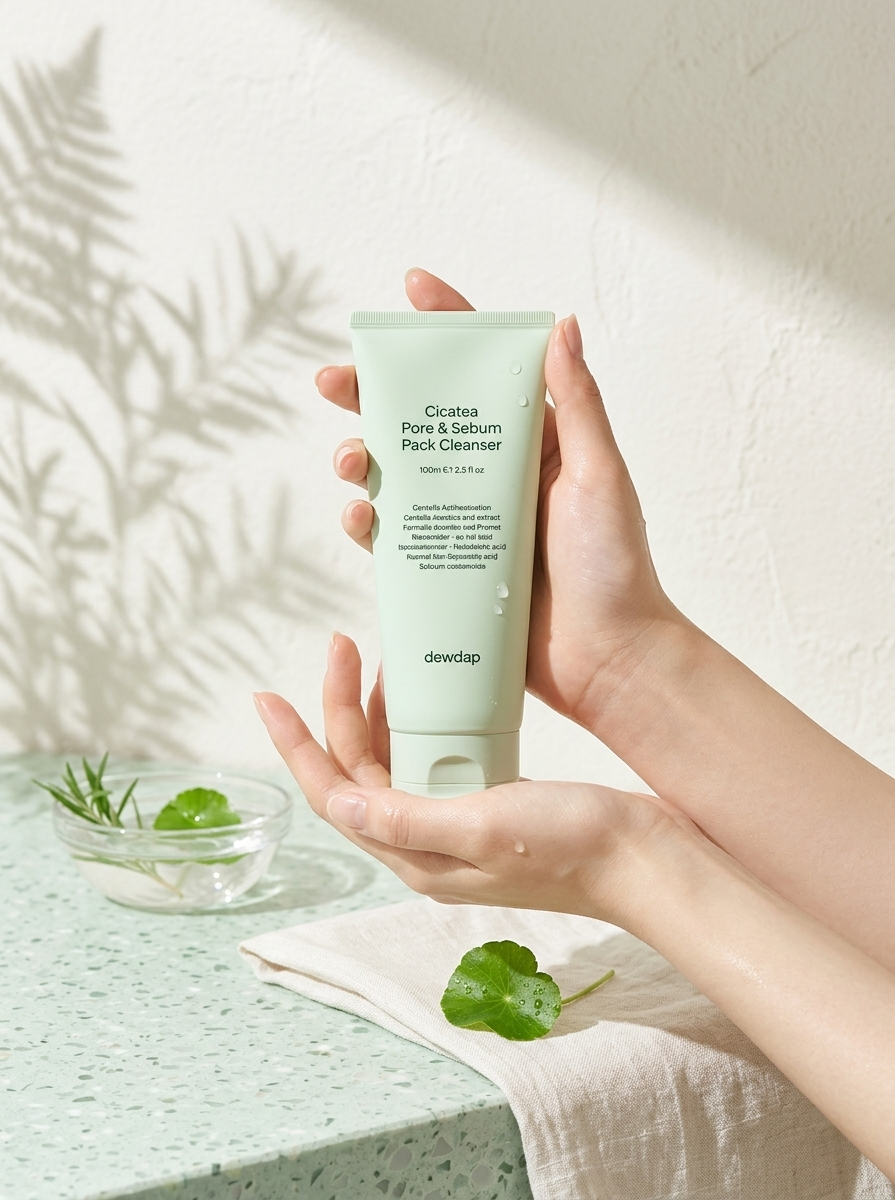
Oily skin can feel like a constant battle – the midday shine, the smudged makeup, the enlarged pores. For years, the standard advice was to strip away oil with harsh cleansers and mattifying products, skip moisturizer, and hope for the best. Korean skincare completely rejects this approach. Instead, K-beauty offers oily skin exactly what it needs: balance, lightweight hydration, and intelligent sebum regulation.
Why Korean Skincare Is Ideal for Oily Skin
Korean skincare was developed in a climate (hot, humid summers in South Korea) where oily skin is extremely common. As a result, Korean brands have spent decades perfecting lightweight textures that deliver real results without the heavy, greasy feel that oily skin types dread.
The K-beauty market is rich in gel-type moisturizers, water-based serums, lightweight emulsions, and watery toners that provide hydration and active ingredients in formats specifically designed for oily and combination skin. This is in contrast to many Western skincare lines, which were historically formulated for drier climates and skin types, resulting in heavier creams and oil-based products.
Beyond texture, the Korean philosophy of balance over aggression is particularly beneficial for oily skin. K-beauty recognizes that oily skin is still skin – it needs hydration, barrier protection, and gentle care just like any other skin type.
The Sebum Balance Philosophy
The cornerstone of Korean oily skin care is the concept of sebum balance rather than sebum elimination. This is based on an important biological truth: your skin produces sebum for a reason. Sebum protects the skin from environmental damage, prevents water loss, and maintains a healthy acid mantle.
When you strip sebum away with harsh cleansers and alcohol-based toners, your skin interprets this as a threat. The sebaceous glands respond by producing even more oil to compensate. This creates a vicious cycle of stripping, overproduction, and frustration.
The K-beauty solution is to:
- Cleanse gently to remove excess oil without stripping the protective layer
- Hydrate with water-based products so the skin does not need to overproduce oil to compensate for dehydration
- Regulate sebum production with ingredients that balance oil output over time
- Protect the moisture barrier so the skin remains healthy and self-regulating
Key Ingredients for Oily Skin in Korean Skincare
Niacinamide
Niacinamide is the single most important ingredient for oily skin in K-beauty. This form of vitamin B3 has been clinically shown to reduce sebum production, minimize the appearance of pores, and improve overall skin texture. Korean formulations typically use niacinamide at two to five percent, which is effective without causing irritation. It also helps fade post-acne marks and brighten uneven skin tone, making it a true multi-tasker for oily skin.
Green Tea Extract
Green tea (Camellia sinensis) is loaded with catechins, particularly EGCG (epigallocatechin gallate), a potent antioxidant that has been shown to reduce sebum production and calm inflammation. Korean green tea toners, serums, and moisturizers are lightweight and refreshing, making them perfect for oily skin. Green tea also provides protection against environmental damage and UV-induced oxidative stress.
BHA (Salicylic Acid)
Salicylic acid is oil-soluble, which means it can cut through sebum to penetrate pores and dissolve the dead skin cells and debris that cause blackheads, whiteheads, and breakouts. Korean BHA products tend to use lower concentrations (0.5 to two percent) combined with hydrating and soothing ingredients, delivering effective pore-clearing without the harshness.
Centella Asiatica
Centella asiatica soothes the inflammation that often accompanies oily, congested skin. It supports barrier repair and helps calm the redness associated with breakouts. Many Korean products for oily skin include centella to offset any potential irritation from exfoliating acids.
Houttuynia Cordata
A lesser-known but increasingly popular ingredient in Korean oily skin products, houttuynia cordata (also known as heartleaf) has natural antibacterial and sebum-regulating properties. It helps control oil production while soothing irritation, making it an excellent choice for oily and combination skin types.
Witch Hazel and Tea Tree
Witch hazel acts as a gentle natural astringent, temporarily tightening pores and reducing surface oiliness without alcohol-induced dryness. Tea tree oil provides antibacterial benefits that help prevent the breakouts oily skin is prone to. Both ingredients appear frequently in Korean toners and spot treatments formulated for oily skin.
A Korean Skincare Routine for Oily Skin
Morning Routine
- Gentle gel or foam cleanser – Choose a low-pH, sulfate-free cleanser. Gel textures are ideal for oily skin because they remove excess oil and impurities without leaving a tight, stripped feeling.
- Hydrating, alcohol-free toner – Look for toners with green tea, centella, or houttuynia cordata. Apply by patting into the skin with your hands.
- Lightweight serum – A niacinamide serum or a water-based hyaluronic acid serum provides hydration and oil control without heaviness.
- Oil-free gel moisturizer – This is non-negotiable. Even oily skin needs a moisturizer. Gel-cream textures absorb instantly and leave a fresh, non-greasy finish.
- Lightweight sunscreen – Korean sunscreens excel here. Many are formulated as watery essences or gel-type formulas that absorb quickly, control oil, and leave a matte or semi-matte finish with no white cast.
Evening Routine
- Oil cleanser or micellar water – Yes, oily skin should double cleanse. Oil cleansers effectively break down sunscreen and excess sebum. The oil dissolves oil, and it rinses away cleanly.
- Gel or foam cleanser – Complete the double cleanse.
- BHA toner or serum (2-3 times per week) – Apply a salicylic acid product to keep pores clear. On non-exfoliation nights, skip this step.
- Hydrating toner – Layer a lightweight hydrating toner for moisture.
- Treatment serum – Niacinamide, green tea, or centella-based serum.
- Lightweight night moisturizer or sleeping mask – Choose a gel-type sleeping mask that provides hydration overnight without clogging pores.
Weekly Additions
- Clay mask (once per week) – A kaolin or bentonite clay mask helps absorb excess oil and deep-clean pores. Korean clay masks often include hydrating ingredients to prevent the tightness traditional clay masks cause.
- Sheet mask – Choose a lightweight, water-based sheet mask with green tea, centella, or tea tree for a hydration boost without oiliness.
Common Myths About Oily Skin – Debunked
Myth: Oily Skin Does Not Need Moisturizer
Reality: This is the most damaging myth in oily skin care. When you skip moisturizer, your skin becomes dehydrated. Dehydrated skin triggers increased oil production. The result is skin that is simultaneously oily and dry – the worst of both worlds. Lightweight, oil-free gel moisturizers provide the hydration oily skin needs without contributing to shine.
Myth: You Should Wash Your Face as Often as Possible
Reality: Washing your face more than twice a day disrupts the acid mantle and moisture barrier. This leads to increased oil production, sensitivity, and potentially more breakouts. Stick to double cleansing in the evening and a single gentle cleanse in the morning. If your face feels oily midday, blotting papers or a facial mist are better solutions than an extra wash.
Myth: Alcohol-Based Products Control Oil
Reality: Products with high concentrations of denatured alcohol may give temporary mattifying effects, but they damage the moisture barrier and trigger rebound oil production. Korean skincare avoids alcohol-heavy formulations in favor of ingredients that regulate sebum at the cellular level, like niacinamide and green tea.
Myth: Oily Skin Does Not Age
Reality: While oily skin may show certain signs of aging (like deep wrinkles) slightly later than dry skin, it is not immune to aging. Oily skin is still susceptible to sun damage, loss of elasticity, and collagen breakdown. Sunscreen and antioxidant protection are just as important for oily skin as for any other type.
Myth: You Should Avoid Oils Entirely
Reality: Certain lightweight, non-comedogenic oils like squalane and jojoba oil actually help regulate oil production by signaling to the skin that it has enough moisture. They can be used sparingly in evening routines without causing breakouts.
Building Long-Term Balance
The ultimate goal of Korean oily skin care is not a bone-dry, matte face. It is balanced, healthy skin that produces a normal amount of sebum, stays hydrated throughout the day, and resists breakouts. Achieving this takes patience – it can take four to eight weeks of consistent, gentle care for your skin to recalibrate its oil production.
Trust the process. Replace harsh, stripping products with gentle, hydrating ones. Introduce sebum-regulating ingredients like niacinamide gradually. Protect your moisture barrier. Over time, you will find that your skin becomes less reactive, less oily, and more resilient. That is the Korean way.