Aging is a natural process, but the way your skin ages is influenced by far more than genetics alone. Sun exposure, environmental pollution, stress, diet, and your skincare habits all play significant roles in how quickly fine lines, wrinkles, and loss of firmness appear. Korean skincare has earned a worldwide reputation for its anti-aging effectiveness, and for good reason: the K-beauty philosophy treats aging as something to address proactively rather than reactively.
Why the Korean Approach to Anti-Aging Works
Western anti-aging skincare has traditionally focused on treatment after the damage is done – strong retinoids, invasive procedures, and heavy creams designed to reverse visible signs of aging. Korean skincare takes a fundamentally different path. The K-beauty philosophy centers on prevention, consistent care, and building healthy skin from the inside out.
This approach is effective because it addresses the root causes of premature aging rather than just the symptoms. By keeping the skin well-hydrated, protected from UV damage, and nourished with active ingredients from an early age, Korean skincare routines slow the aging process before deep wrinkles and significant volume loss have a chance to develop.
Key principles of the Korean anti-aging approach include:
- Hydration as the foundation – Dehydrated skin shows wrinkles more prominently. Keeping the skin plump with moisture is the first line of defense.
- Sun protection every single day – Korean consumers treat sunscreen as non-negotiable, and UV radiation is the single largest contributor to premature skin aging (photoaging).
- Layering lightweight products – Rather than one heavy cream, K-beauty uses multiple thin layers that deliver active ingredients effectively without overwhelming the skin.
- Gentle formulations – Harsh products damage the moisture barrier, accelerating aging. Korean formulas prioritize skin health and barrier integrity.
Key Anti-Aging Ingredients in Korean Skincare
Korean cosmetic brands invest heavily in research and development, and several ingredients have become cornerstones of K-beauty anti-aging formulations.
Retinol and Retinoid Derivatives
Retinol remains one of the most well-studied anti-aging ingredients in dermatology. It accelerates cell turnover, stimulates collagen production, and helps fade hyperpigmentation. Korean brands often use encapsulated retinol or bakuchiol (a plant-based alternative) to deliver results with less irritation than traditional Western retinol products. Many K-beauty retinol products pair this active with soothing agents like centella asiatica or panthenol to minimize side effects.
Peptides
Peptides are short chains of amino acids that signal the skin to produce more collagen and elastin. Korean serums and ampoules frequently feature copper peptides, palmitoyl pentapeptides, and acetyl hexapeptides. These ingredients are particularly well-suited to sensitive mature skin because they deliver firming benefits without the irritation associated with retinoids.
Snail Mucin
One of the most iconic K-beauty ingredients, snail mucin (snail secretion filtrate) contains glycoproteins, glycolic acid, hyaluronic acid, and zinc. It promotes cell regeneration, hydrates deeply, and helps improve the appearance of fine lines and acne scars. Its multi-functional nature makes it a staple in many Korean anti-aging routines.
Ginseng
Ginseng has been used in Korean medicine for centuries, and its skincare benefits are backed by modern research. Ginseng root extract is rich in ginsenosides, which have antioxidant and anti-inflammatory properties. It boosts circulation, promotes collagen synthesis, and helps brighten dull, tired-looking skin. Fermented ginseng extracts, common in premium K-beauty lines, offer enhanced absorption and potency.
Niacinamide
Niacinamide (vitamin B3) is a true multi-tasker. It strengthens the skin barrier, reduces the appearance of pores, evens out skin tone, and has been shown to stimulate collagen production. Korean formulations often include niacinamide at concentrations of two to five percent, making it effective yet gentle enough for daily use across all skin types.
Collagen and Collagen-Boosting Ingredients
While topical collagen molecules are too large to penetrate deeply into the skin, they serve as effective humectants on the surface, plumping fine lines temporarily. More importantly, many Korean products contain ingredients that stimulate the skin’s own collagen production, such as vitamin C derivatives, adenosine, and the peptides mentioned above.
A Step-by-Step Korean Anti-Aging Routine
Building an effective anti-aging routine does not require dozens of products. The following steps represent a solid K-beauty framework that you can adapt to your skin’s specific needs.
Morning Routine
- Gentle Cleanser – Use a low-pH gel or foam cleanser that does not strip natural oils. Over-cleansing damages the moisture barrier and accelerates aging.
- Hydrating Toner – Pat a hydrating toner onto slightly damp skin. Look for toners with hyaluronic acid, rice extract, or fermented ingredients.
- Essence – This lightweight, watery layer is unique to Korean skincare. Essences with fermented yeast or galactomyces improve skin texture and radiance.
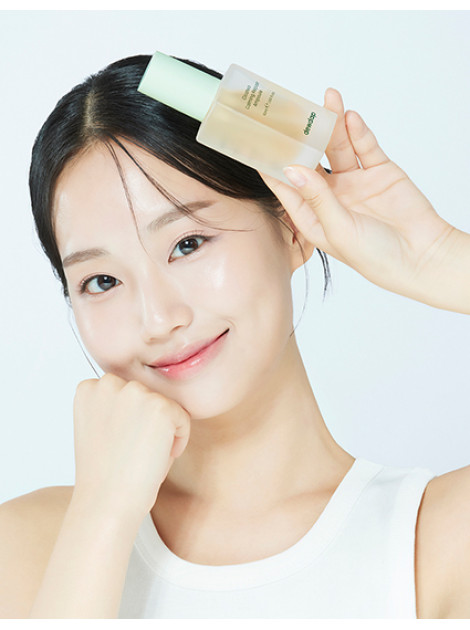
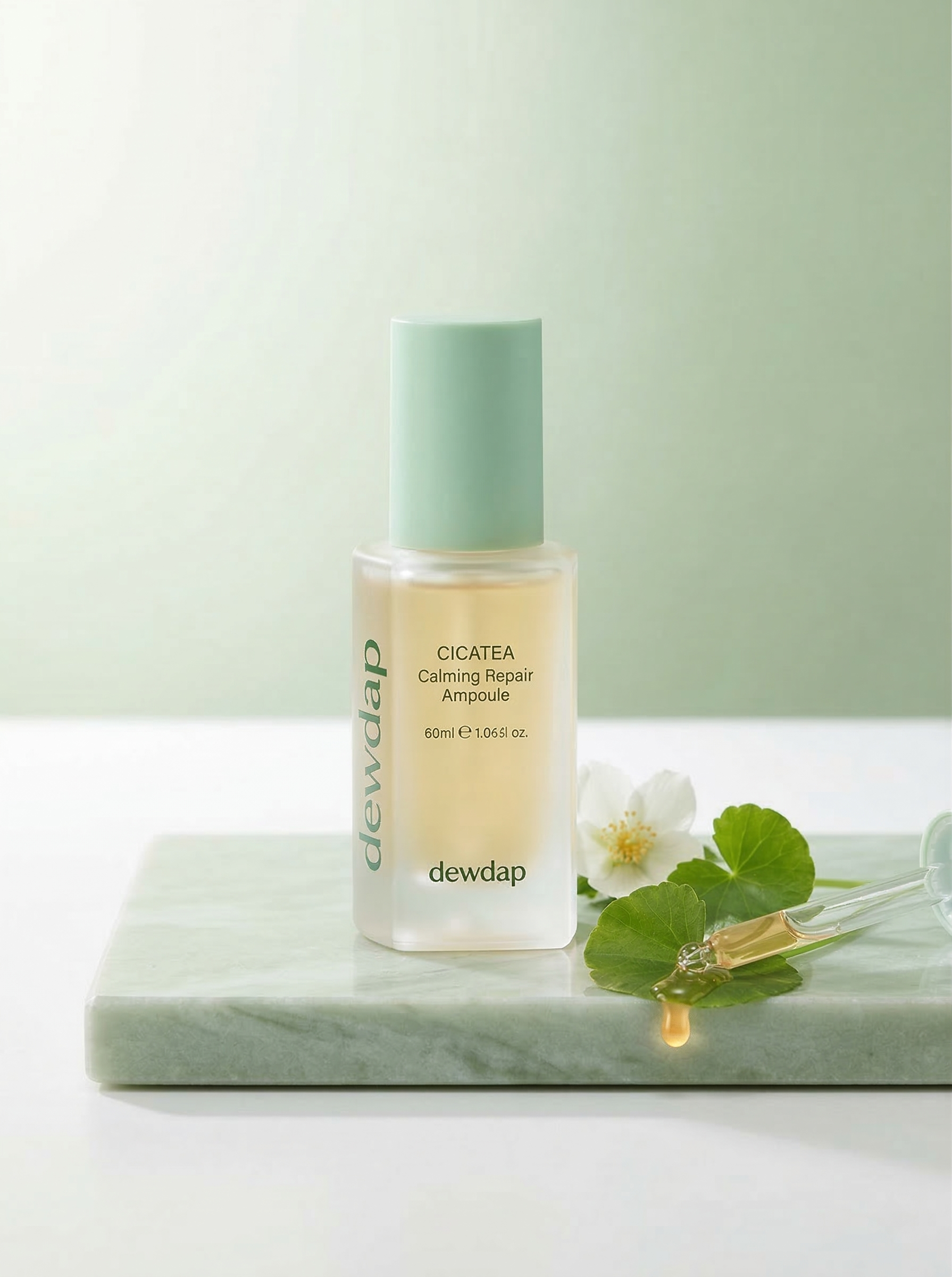
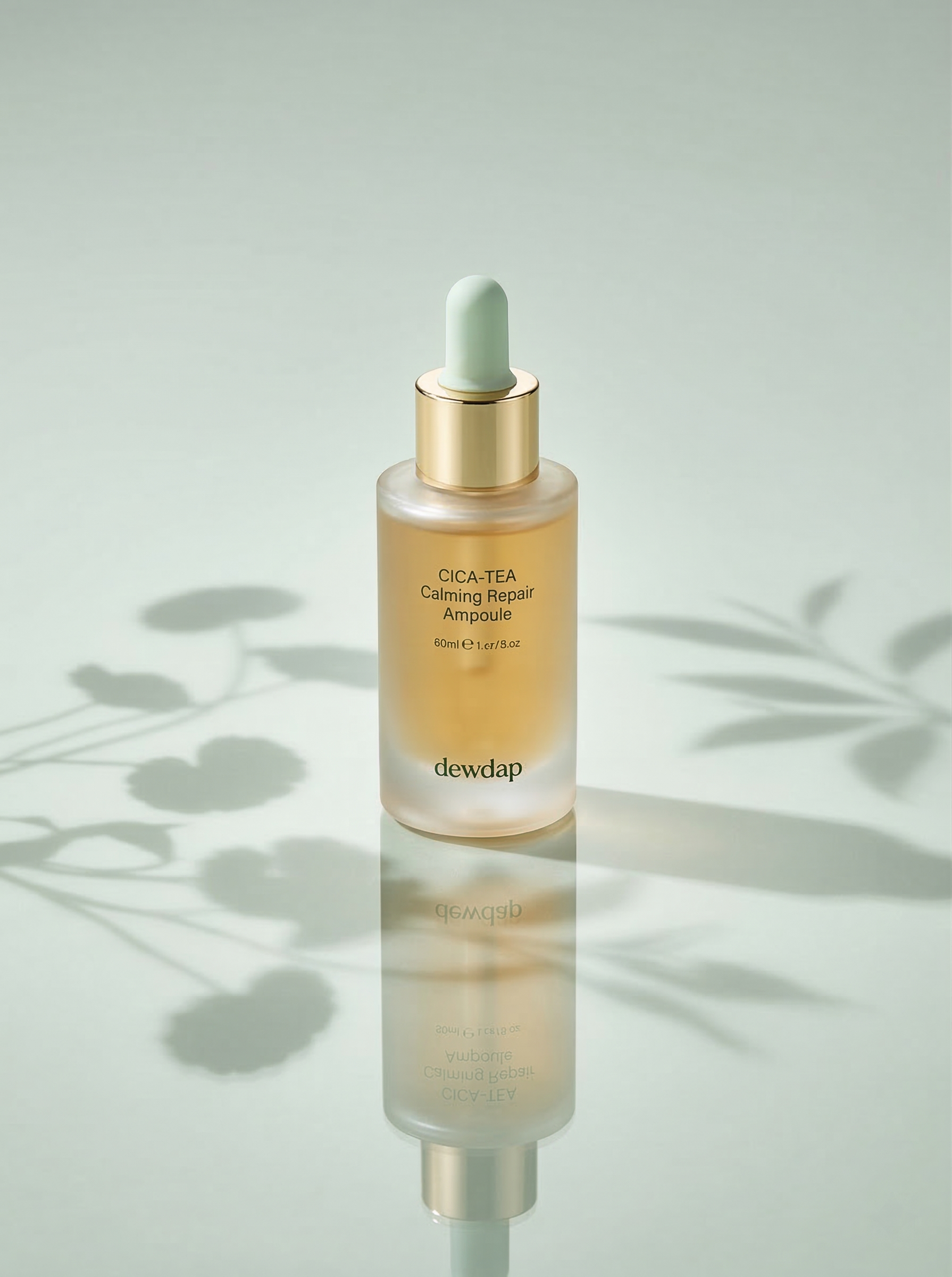
- Serum or Ampoule – Choose a serum with peptides, niacinamide, or vitamin C to target aging concerns. The Dewdap CICATEA Calming Repair Ampoule, for example, combines skin-repairing actives with soothing centella asiatica for mature skin that also experiences sensitivity.
- Eye Cream – The delicate under-eye area shows aging first. Use a dedicated eye cream with peptides or caffeine.
- Moisturizer – A lightweight emulsion or gel-cream seals in all previous layers.
- Sunscreen (SPF 50+ PA++++) – The single most important anti-aging product. Apply generously and reapply every two hours during sun exposure.
Evening Routine
- Oil Cleanser – Dissolves sunscreen and makeup without harsh rubbing.
- Water-Based Cleanser – Completes the double-cleanse to ensure a clean base for active ingredients.
- Exfoliating Toner (2-3 times per week) – A mild AHA or PHA toner promotes cell turnover without micro-tears or irritation.
- Hydrating Toner – Same as morning.
- Retinol Product (if using) – Apply a thin layer of retinol serum, starting two to three times per week and building tolerance gradually.
- Serum or Ampoule – On non-retinol nights, use a peptide or snail mucin serum.
- Night Cream or Sleeping Mask – A richer moisturizer or overnight mask locks in moisture and supports skin repair during sleep.
Prevention vs. Treatment: When to Start
One of the most common questions about anti-aging skincare is when to begin. The Korean answer is clear: prevention should start in your twenties. This does not mean using retinol at age twenty-two; it means establishing good habits early – consistent sunscreen use, proper hydration, gentle cleansing, and antioxidant protection.
In your twenties, focus on sunscreen, hydration, and antioxidants like vitamin C. In your thirties, introduce peptides and consider adding a gentle retinol product. By your forties and beyond, your routine can incorporate richer textures, more targeted treatments, and ingredients like ginseng and collagen-boosting serums.
The Korean philosophy holds that small, consistent efforts over time yield far better results than aggressive interventions after the damage is done.
Recommended Product Types for Anti-Aging
When building your anti-aging collection, prioritize these categories:
- Hydrating toners with fermented ingredients for improved skin texture and absorption
- Peptide-rich serums and ampoules for collagen stimulation without irritation
- Retinol products with soothing agents for accelerated cell turnover
- Snail mucin essences for multi-benefit hydration and repair
- Ginseng-infused creams or masks for vitality and firmness
- High-protection sunscreens (SPF 50+ PA++++) with elegant, wearable textures
- Sleeping masks that deliver intensive overnight nourishment
The goal is not to use every product at once, but to build a routine that addresses your specific concerns while keeping your skin healthy, hydrated, and protected. Korean anti-aging skincare is a long-term investment in the health and resilience of your skin, and the results speak for themselves.