Understanding the 10-Step Routine
The Korean 10-step skincare routine is the most well-known framework in K-beauty, and for good reason. It is a systematic, layered approach to skincare that ensures thorough cleansing, balanced hydration, targeted treatment, and daily protection. Each step builds upon the previous one, creating a comprehensive regimen that addresses multiple skin concerns simultaneously.
However, it is important to understand that the 10-step routine is not a rigid prescription. Think of it as a menu rather than a mandate. You do not need to perform all 10 steps every single day. The framework exists so you understand where each type of product fits and can customize your routine based on what your skin needs on any given day.
Step 1: Oil Cleanser
Purpose: Dissolve and remove oil-based impurities including makeup, sunscreen, and excess sebum.
The oil cleanser is always the first step in your evening routine. Apply it to a dry face and massage for 30 to 60 seconds, paying extra attention to areas with heavy makeup. Add a splash of water to emulsify, then rinse clean.
Product types: Cleansing oils, cleansing balms, micellar water.
Tip: Choose lightweight formulas for oily skin and richer balms for dry skin. Skip this step in the morning since you have not accumulated oil-based impurities overnight.
Step 2: Water-Based Cleanser
Purpose: Remove water-soluble impurities like sweat, dirt, and residue from the oil cleanser.
This completes the double cleanse. Use a low-pH foam, gel, or cream cleanser that matches your skin type. Lather in your hands first, then apply to your wet face. Massage gently for 30 seconds and rinse with lukewarm water.
Product types: Foam cleansers, gel cleansers, cream cleansers, enzyme powder washes.
Tip: A cleanser with a pH between 5.0 and 6.0 will clean effectively without disrupting your acid mantle. Avoid cleansers that leave your skin feeling tight or squeaky.
Step 3: Exfoliant
Purpose: Remove dead skin cells to promote cell turnover, improve texture, and enhance product absorption.
Exfoliation is not a daily step for most people. Use chemical exfoliants (AHA, BHA, PHA) or gentle physical exfoliants two to three times per week. Apply after cleansing, before toner.
Product types: Peeling pads, acid toners, enzyme peels, gentle scrubs.
Tip: Never exfoliate on the same night you use retinol. If you are new to exfoliation, start with PHA-based products or mild peeling pads and work up to stronger formulas.
Step 4: Toner
Purpose: Rebalance the skin’s pH after cleansing, provide a first layer of hydration, and prepare the skin to absorb subsequent products.
Korean toners are different from the astringent, alcohol-based toners common in Western skincare. K-beauty toners are hydrating, gentle, and designed to be the first layer of moisture in your routine.
How to apply: Pour a small amount into your palms and press it into your face. Alternatively, soak a cotton pad and sweep it across your face. Some people apply multiple thin layers for extra hydration, a technique known as the “7-skin method.”
Product types: Hydrating toners, pH-adjusting toners, exfoliating toners.
Tip: Look for toners with hyaluronic acid, glycerin, or centella asiatica. Apply while your skin is still slightly damp from cleansing for maximum absorption.
Step 5: Essence
Purpose: Deliver a concentrated dose of hydrating and skin-renewing ingredients in a lightweight, watery formula.
Essence is the step that most distinguishes Korean skincare from Western routines. These lightweight formulas are packed with fermented ingredients, yeast extracts, and other actives that promote cell turnover and deep hydration.
How to apply: Pour a small amount into your palms, rub them together, and press into your face. Pat gently until absorbed.
Product types: Traditional essences, first treatment essences, fermented essences.
Tip: Essences are thinner than serums and should always be applied before heavier treatments. Think of them as a hydration booster that primes the skin for everything that follows.
Step 6: Serum or Ampoule
Purpose: Target specific skin concerns with high concentrations of active ingredients.
Serums and ampoules are where you address your particular skin goals: brightening, anti-aging, acne control, hyperpigmentation, or barrier repair. Ampoules are typically more concentrated than serums and are often used as intensive treatments for a limited period.
How to apply: Dispense two to three drops onto your fingertips and press gently into the skin. Focus on areas of concern.
Product types: Vitamin C serums, niacinamide serums, peptide ampoules, centella ampoules, retinol serums (PM only).
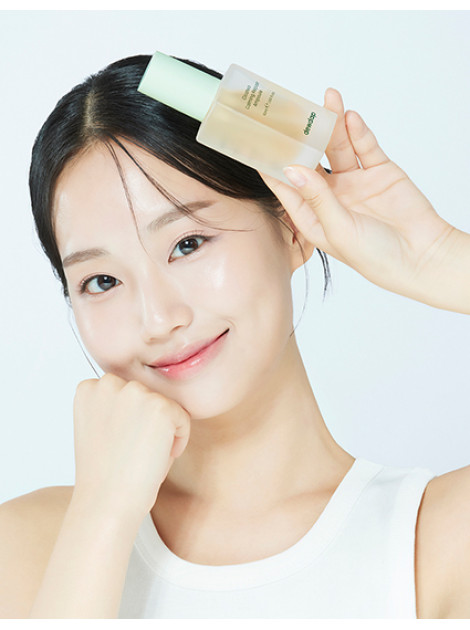
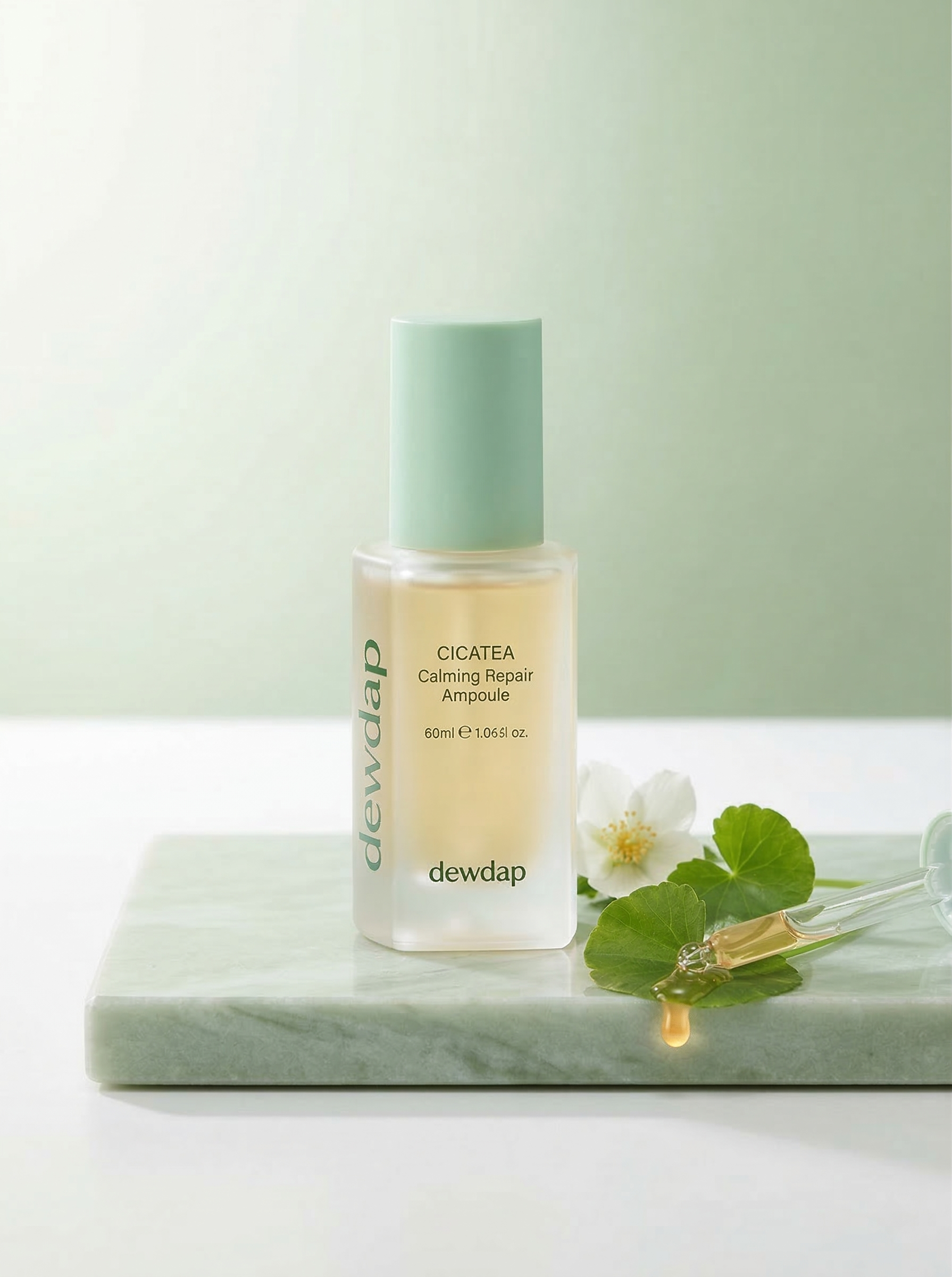
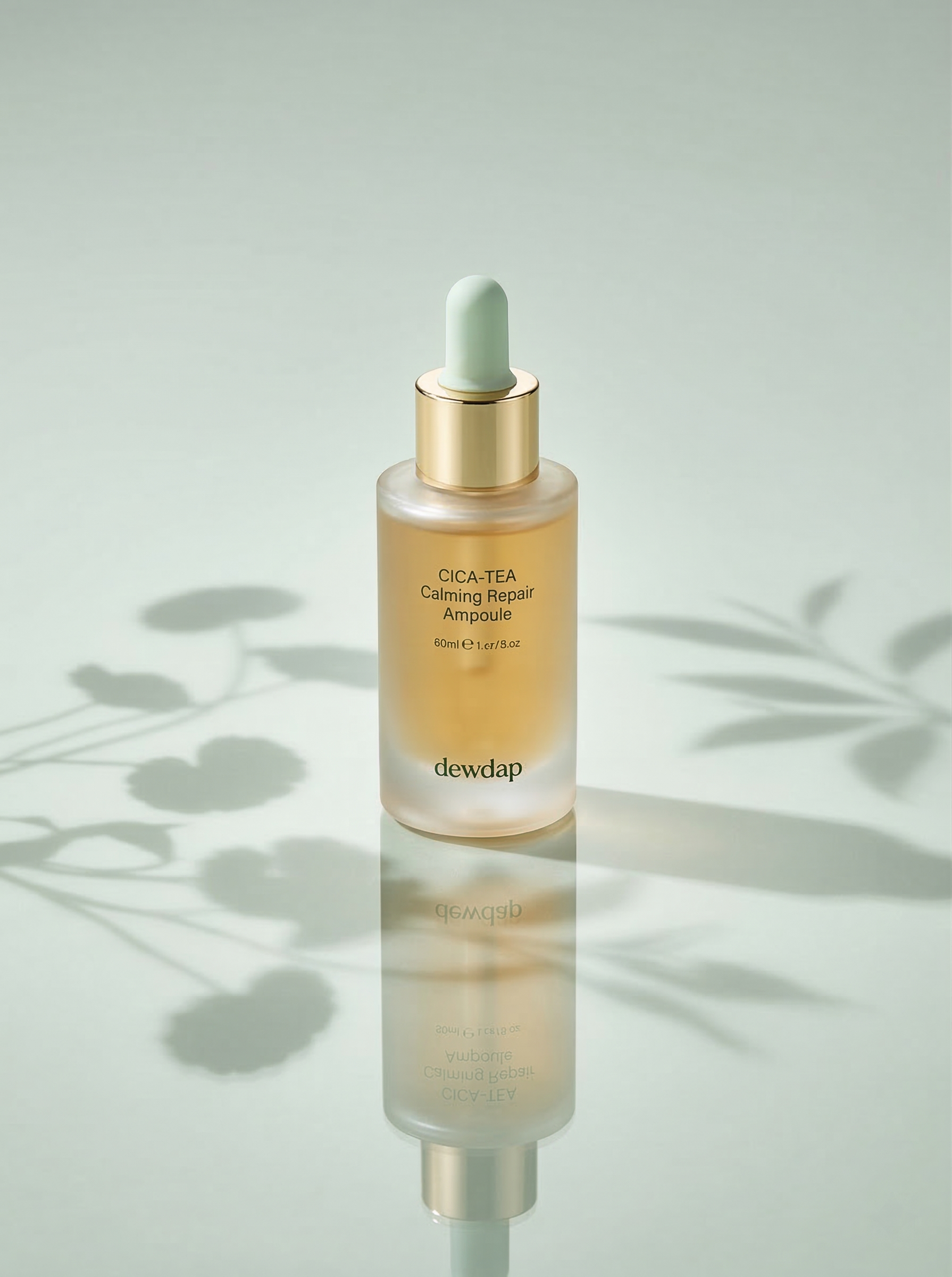
Tip: You can layer two serums if they target different concerns, but apply the thinnest consistency first. Products like Dewdap CICATEA Calming Repair Ampoule fit here for those targeting irritation and barrier repair. VT Cosmetics Reedle Shot also occupies this step, delivering actives through micro-spicule technology.
Step 7: Sheet Mask
Purpose: Deliver an intensive surge of hydration and active ingredients through prolonged skin contact.
Sheet masks are soaked in essence or serum and sit on your face for 15 to 20 minutes, allowing concentrated ingredients to penetrate deeply. They are not an everyday step but rather a two-to-three-times-per-week treat.
How to apply: Unfold the mask, align it with your features, and press it gently against your skin. Leave on for 15 to 20 minutes, never until it dries out completely. After removing, pat the remaining essence into your skin.
Product types: Hydrating masks, brightening masks, soothing masks, firming masks.
Tip: Do not leave sheet masks on for longer than recommended. Once the mask begins to dry, it starts pulling moisture back out of your skin. Use masks after serum and before eye cream.
Step 8: Eye Cream
Purpose: Provide targeted care for the delicate skin around the eyes, addressing fine lines, dark circles, and puffiness.
The skin around the eyes is thinner and more fragile than the rest of your face. It lacks oil glands and shows signs of aging first. A dedicated eye cream delivers appropriate hydration and treatment without the irritation that full-strength facial products might cause.
How to apply: Use your ring finger to tap a small amount around the orbital bone, from the inner corner under your eye outward, and along the brow bone. Never pull or drag the skin.
Product types: Anti-wrinkle eye creams, brightening eye creams, depuffing eye gels.
Tip: Apply eye cream before moisturizer. The ring finger applies the least pressure, which is ideal for this delicate area.
Step 9: Moisturizer
Purpose: Seal in all previous layers of hydration and treatment, strengthen the moisture barrier, and prevent transepidermal water loss.
Moisturizer is the protective cap on your entire routine. It locks in everything you have applied and creates a barrier that keeps hydration in and environmental aggressors out.
How to apply: Take an appropriate amount and warm it between your palms. Press and pat into your face and neck. Do not rub aggressively.
Product types: Gel creams (oily skin), lotion-type moisturizers (combination skin), rich creams (dry skin), sleeping masks (nighttime intensive option).
Tip: Your moisturizer should match the season and your skin’s current condition. Use lighter formulas in summer and richer ones in winter. If your skin feels adequately hydrated from the previous steps, you can use a lighter moisturizer than you might otherwise choose.
Step 10: Sunscreen (AM) or Sleeping Mask (PM)
Morning: Sunscreen
Purpose: Protect skin from UVA and UVB damage, which causes premature aging, hyperpigmentation, and increases skin cancer risk.
Sunscreen is the most important step in any skincare routine. Without it, the benefits of every other step are undermined by daily UV exposure. Korean sunscreens are renowned for their elegant textures, lack of white cast, and comfortable wear.
How to apply: Apply a generous amount (approximately a two-finger-length strip) as the last step in your morning routine, after moisturizer. Reapply every two hours during extended sun exposure.
Product types: Chemical sunscreens, physical (mineral) sunscreens, hybrid formulas, tone-up sunscreens. Products like Dewdap CICATEA Calming Aqua Suncream combine UV protection with soothing centella asiatica for sensitive skin.
Evening: Sleeping Mask
Purpose: Provide an extra occlusive layer overnight that locks in moisture and active ingredients while you sleep.
Sleeping masks are thicker than regular moisturizers and are designed to be left on overnight. They create a moisture-sealing blanket over your routine, enhancing the efficacy of every product beneath them.
How to apply: After your moisturizer has absorbed, apply a thin, even layer of sleeping mask. Leave on overnight and rinse off in the morning during your cleansing step.
Tip: Sleeping masks are not necessary every night. Use them two to three times per week or whenever your skin needs an extra hydration boost.
Making the 10-Step Routine Your Own
The beauty of this framework is its flexibility. On a minimal day, you might only do steps 2, 4, 9, and 10. On a self-care evening, you might include all ten. Listen to your skin, adjust based on the season and your current concerns, and remember that consistency with a few well-chosen products will always outperform sporadic use of an elaborate routine.