Why Start with Korean Skincare?
Korean skincare has earned its global reputation for a reason. The approach prioritizes prevention over correction, hydration over harsh treatment, and gentle consistency over dramatic interventions. Where many Western skincare philosophies focus on fixing problems after they appear, K-beauty is built around maintaining healthy skin so that problems are less likely to develop in the first place.
This philosophy translates into products that are formulated to be layered, gentle enough for daily use, and designed to work together as a system. Korean brands also tend to innovate faster, incorporating new ingredients and delivery technologies before they appear in other markets. The result is a vast, exciting, and sometimes overwhelming product landscape.
If you are new to all of this, the good news is that you do not need to start with 10 steps. You can build an effective routine with just four products and expand from there as you learn what your skin responds to best.
The Basic 4-Step Routine
Before you explore essences, ampoules, and sheet masks, master these four foundational steps. They are the non-negotiable core of any Korean skincare routine.
Step 1: Cleanser
A gentle, low-pH cleanser removes dirt, oil, and impurities without stripping your skin’s natural moisture barrier. This is the most fundamental step in any routine.
What to look for:
- pH between 5.0 and 6.0
- Free of sulfates (SLS/SLES) if you have sensitive skin
- Gel or foam texture for oily skin, cream texture for dry skin
- Soothing ingredients like centella asiatica or green tea are a bonus
How to use: Wet your face, lather the cleanser in your hands, massage onto your face for 30 seconds, and rinse with lukewarm water. In the evening, consider using an oil cleanser first if you wore sunscreen or makeup (this is the double cleanse method).
Step 2: Toner
Korean toners are not the stinging, alcohol-based products you might be used to. K-beauty toners are hydrating liquids that rebalance your skin’s pH after cleansing and prepare it to absorb everything that follows.
What to look for:
- Alcohol-free formulation
- Hydrating ingredients like hyaluronic acid, glycerin, or rice extract
- Lightweight, watery consistency
- Soothing properties for sensitive skin
How to use: Pour a small amount into your palms and press gently into your face. You can also use a cotton pad to apply it. Apply to slightly damp skin for best absorption.
Step 3: Moisturizer
Moisturizer seals in hydration and strengthens your skin’s protective barrier. Every skin type needs moisture, including oily skin. Skipping moisturizer can actually cause your skin to overproduce oil to compensate.
What to look for:
- Gel-type or water-based for oily skin
- Cream-type for dry skin
- Lotion-type for combination or normal skin
- Key ingredients: ceramides, hyaluronic acid, centella asiatica, squalane
How to use: Apply after your toner has absorbed. Warm a pea-sized amount between your palms and press into your face and neck. Do not rub harshly.
Step 4: Sunscreen
This is the single most important skincare product you will ever use. UV radiation causes up to 80 percent of visible skin aging, along with hyperpigmentation, texture damage, and increased skin cancer risk. No skincare routine is complete without daily sun protection.
What to look for:
- SPF 50 or higher with PA++++ rating (broad-spectrum UVA/UVB protection)
- Lightweight texture that does not leave a white cast
- Comfortable enough that you will actually wear it every day
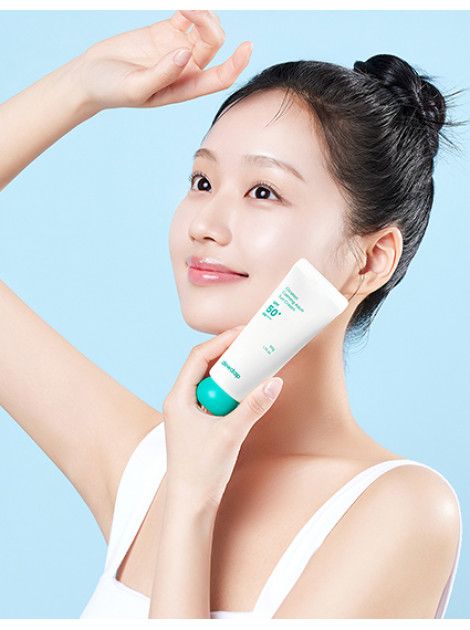
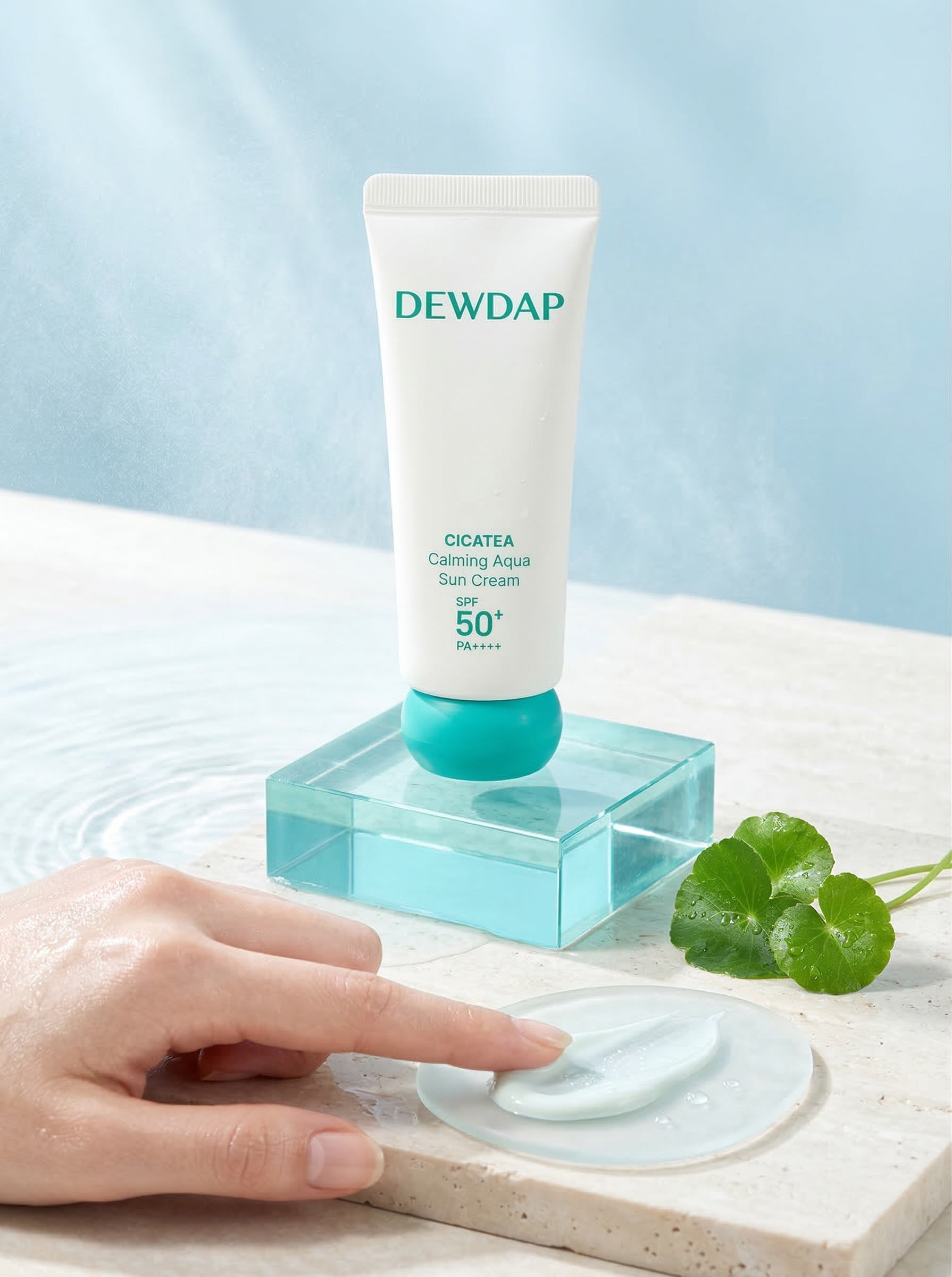
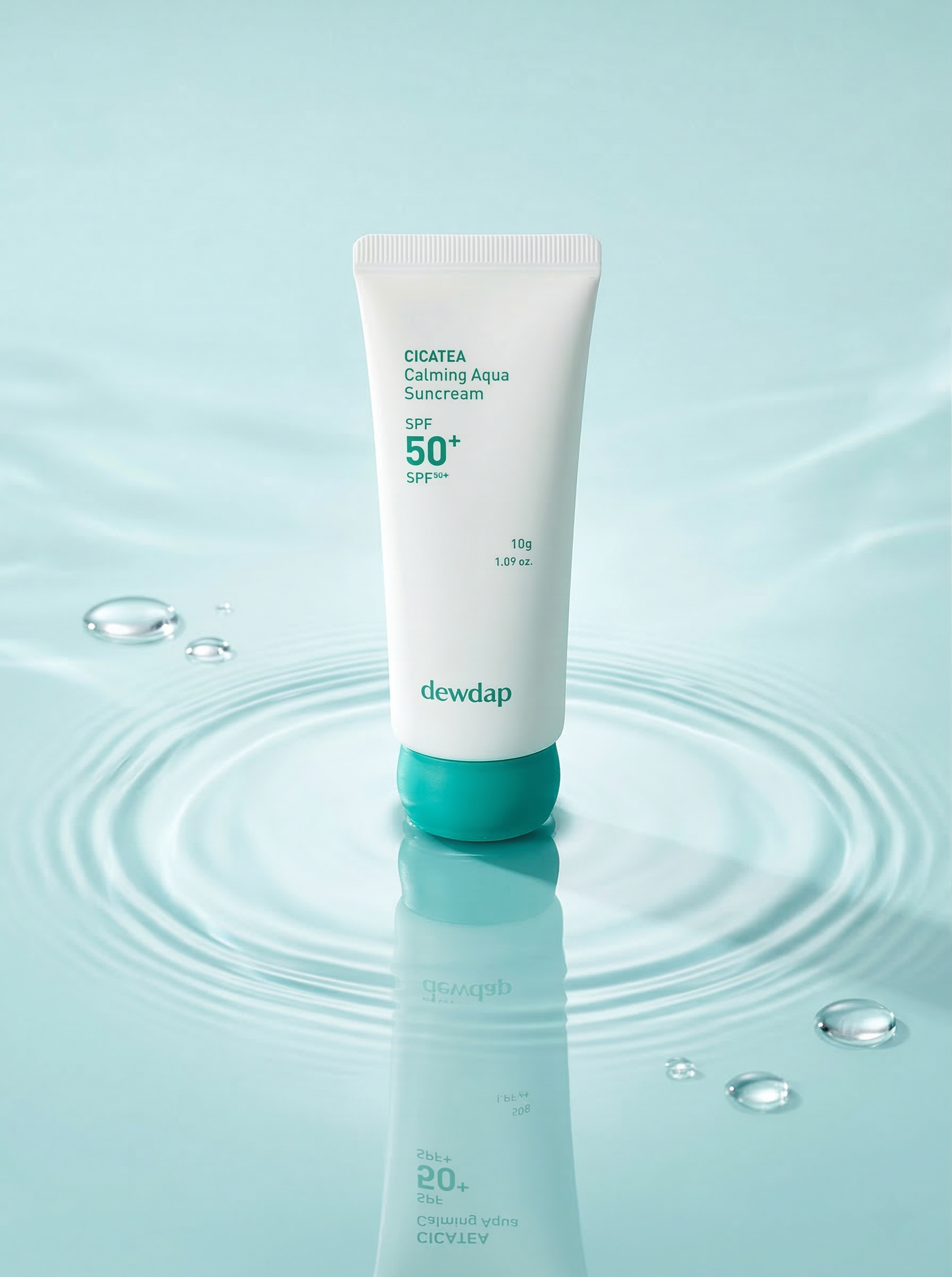
- Products like Dewdap CICATEA Calming Aqua Suncream combine sun protection with soothing centella asiatica
How to use: Apply as the last step of your morning routine. Use approximately a two-finger-length strip for your face and neck. Reapply every two hours during prolonged sun exposure.
How to Gradually Add Steps
Once you have your four basic steps down and have been consistent for at least two to four weeks, you can begin adding products one at a time. This is critical: introduce only one new product every one to two weeks so you can identify what works and what does not.
Recommended addition order:
- Exfoliant (week 3-4): Start with a mild peeling pad or PHA toner, used once or twice a week after cleansing.
- Essence (week 5-6): Add a hydrating essence between toner and moisturizer for an extra layer of lightweight hydration.
- Serum or ampoule (week 7-8): Choose one that targets your primary skin concern, whether that is brightening, anti-aging, or calming.
- Sheet mask (anytime): Sheet masks are low-risk additions you can use once or twice a week for a hydration boost.
- Eye cream (when ready): If you notice fine lines or dark circles, add a dedicated eye treatment.
Understanding Your Skin Type
Knowing your skin type is essential for choosing the right products. Here is how to identify yours:
The Bare-Face Test
Cleanse your face with a gentle cleanser, pat dry, and wait 30 minutes without applying anything. Then observe:
- Oily skin: Your entire face feels slick and shiny, especially the T-zone (forehead, nose, chin).
- Dry skin: Your face feels tight, may look flaky, and has a rough texture.
- Combination skin: Your T-zone is oily but your cheeks are dry or normal.
- Normal skin: Your skin feels comfortable, neither oily nor tight. Lucky you.
- Sensitive skin: Any of the above, but with added redness, stinging, or reactivity to new products.
Your skin type can change with seasons, age, hormones, and environment. Re-evaluate periodically and adjust your products accordingly.
Reading Korean Product Labels
Korean product labels can be intimidating if you do not read Korean, but most K-beauty products sold internationally include English ingredient lists. Here are key things to look for:
The Ingredient List
Ingredients are listed in descending order of concentration. The first five to seven ingredients make up the bulk of the formula. Look for:
- Water (Aqua): Almost always the first ingredient
- Beneficial actives: Niacinamide, hyaluronic acid, centella asiatica, green tea extract
- Emollients: Squalane, shea butter, jojoba oil
- Humectants: Glycerin, betaine, panthenol
Ingredients to Approach with Caution
- Fragrance/Parfum: Can irritate sensitive skin. Fragrance-free is always safer.
- Denatured alcohol (Alcohol Denat.): High on the ingredient list can be drying and irritating.
- Essential oils: Natural does not mean non-irritating. Citrus oils in particular can cause photosensitivity.
Helpful Label Terms
- EWG grade: Some Korean products display Environmental Working Group safety ratings for individual ingredients.
- Hypoallergenic: Formulated to minimize allergic reactions, though not a guarantee.
- Non-comedogenic: Formulated to not clog pores.
Ingredient Dictionary for Beginners
Here are the most common K-beauty ingredients you will encounter and what they do:
- Centella Asiatica (Cica): Calms inflammation, repairs the skin barrier, and promotes healing. Found in brands like Dewdap.
- Hyaluronic Acid: Holds up to 1000 times its weight in water, providing deep hydration.
- Niacinamide (Vitamin B3): Brightens skin tone, minimizes pores, and strengthens the barrier.
- Snail Mucin: Hydrates, repairs, and soothes. A signature K-beauty ingredient (note: not vegan).
- Rice Extract: Brightens and evens skin tone. A traditional Korean beauty ingredient.
- Tea Tree: Antibacterial and anti-inflammatory. Useful for acne-prone skin.
- Propolis: A honey bee product that nourishes and calms irritated skin (not vegan).
- Retinol: Promotes cell turnover and collagen production. Use at night with sunscreen the next day.
- Ceramides: Lipids that strengthen and repair the moisture barrier.
Common Mistakes Beginners Make
Introducing too many products at once
This is the number one mistake. If you start five new products on the same day and your skin breaks out, you have no idea which one caused it. Introduce one product at a time and wait at least one to two weeks before adding the next.
Skipping sunscreen
No amount of serums and essences will help if you are not protecting your skin from UV damage. Sunscreen every single morning, even on cloudy days, even if you are staying mostly indoors.
Over-exfoliating
Enthusiasm is great, but exfoliating every day when your skin is not accustomed to it will damage your moisture barrier. Start with once a week and increase gradually.
Expecting instant results
Korean skincare is about long-term skin health, not overnight miracles. Most products need four to six weeks of consistent use before you see meaningful results. Be patient and consistent.
Ignoring your skin’s signals
If a product stings, burns, or causes breakouts, stop using it. Not every popular product will work for your skin, and that is perfectly normal.
Budget-Friendly Tips
Korean skincare does not have to be expensive. Here are ways to build an effective routine without overspending:
- Start with the basics: You only need four products. A cleanser, toner, moisturizer, and sunscreen can cost less than a single premium Western moisturizer.
- Prioritize sunscreen: If you are going to invest in one product, make it a good sunscreen. This single step prevents more skin damage than any treatment product can fix.
- Look for multi-functional products: Some toners double as light essences. Some moisturizers include SPF. Streamlining reduces cost and complexity.
- Sample before committing: Many Korean brands sell trial sizes or sample kits. Test before buying full sizes to avoid wasting money on products that do not suit your skin.
- Focus on ingredients, not branding: A well-formulated budget cleanser with centella asiatica will outperform an expensive cleanser with a long list of filler ingredients. Learn to read ingredient lists and let the formula, not the packaging, guide your choices.
Starting your Korean skincare journey is simpler than it looks. Master the basics, be patient, protect your skin from the sun, and build gradually. Your future skin will thank you.