Serums are the workhorses of any Korean skincare routine. They deliver concentrated active ingredients deep into the skin, targeting specific concerns like aging, dehydration, dullness, hyperpigmentation, and breakouts. But if you are new to K-beauty, the terminology can be confusing. Essences, serums, ampoules – what is the difference, and how do you choose the right one? This guide breaks it all down.
Essence vs. Serum vs. Ampoule: Understanding Korean Distinctions
One of the most common sources of confusion for newcomers to Korean skincare is the distinction between these three product categories. While all three are concentrated treatment products, they differ in texture, potency, and intended use.
Essence
An essence is a lightweight, watery liquid that serves as the bridge between toner and serum. Essences are designed to hydrate and prep the skin to better absorb the products that follow. They typically have a thinner consistency than serums and contain lower concentrations of active ingredients. However, what they lack in potency, they make up for in hydration and absorption support.
Classic K-beauty essences often feature fermented ingredients like galactomyces, saccharomyces, or bifida ferment lysate. Fermentation breaks down ingredients into smaller molecules, which may improve absorption and bioavailability. Essences are used daily and are considered a foundational step in the Korean routine.
Serum
A serum is a more concentrated treatment with a slightly thicker texture than an essence. Serums contain higher percentages of active ingredients and are designed to target specific skin concerns. A vitamin C serum targets hyperpigmentation and dullness. A niacinamide serum addresses pore size and oil control. A hyaluronic acid serum provides deep hydration.
Korean serums tend to be lighter and more elegantly formulated than many Western counterparts. They absorb quickly, layer well under moisturizer and sunscreen, and rarely feel heavy or sticky on the skin.
Ampoule
An ampoule is the most concentrated of the three. Think of it as a supercharged serum with the highest levels of active ingredients. Ampoules are often used as intensive treatments during periods when the skin needs extra support – after sun exposure, during seasonal transitions, when the skin barrier is compromised, or when addressing a specific concern aggressively.
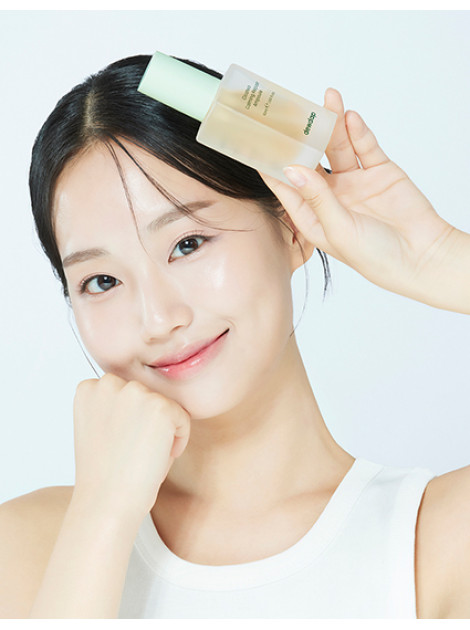
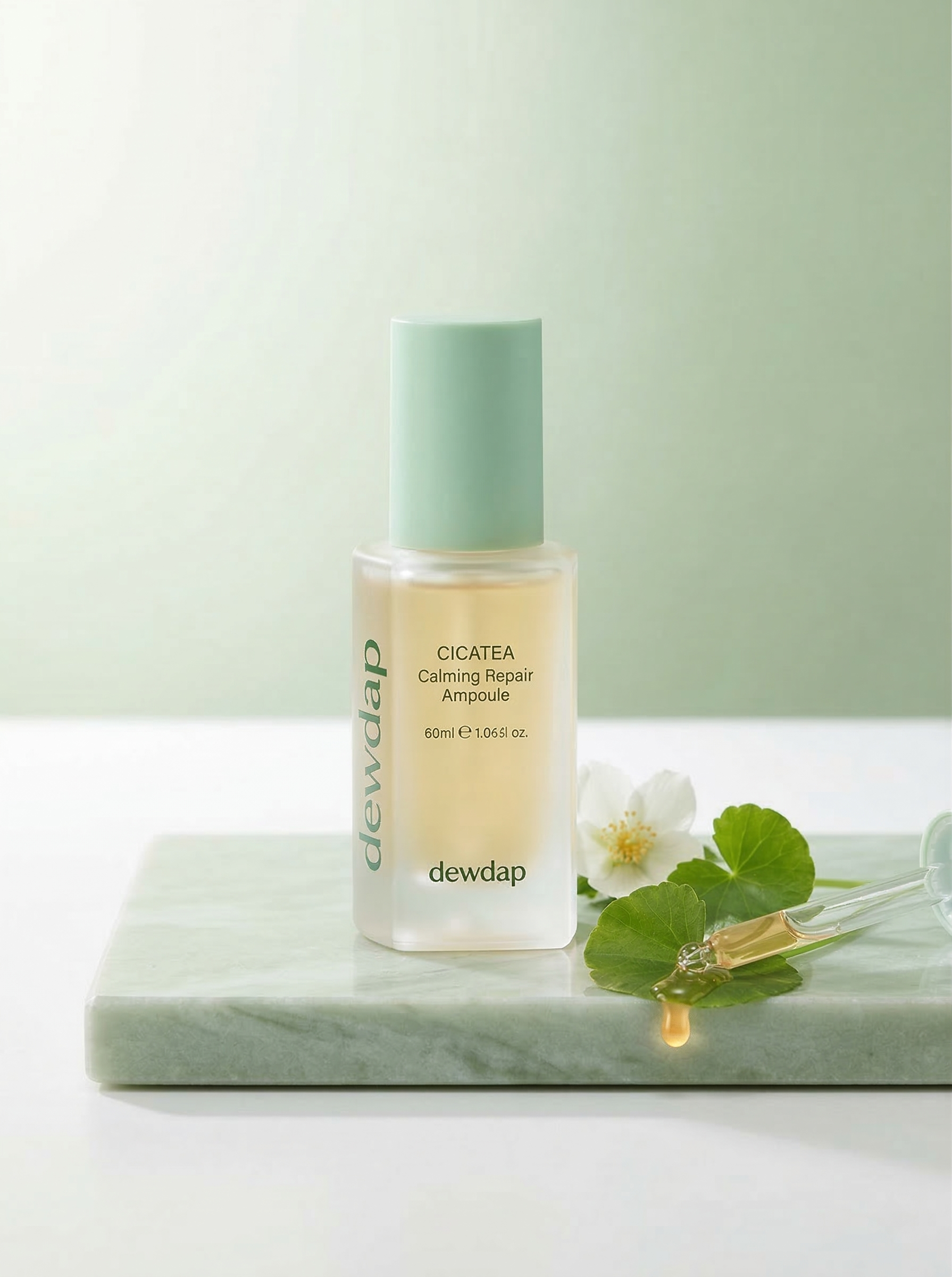
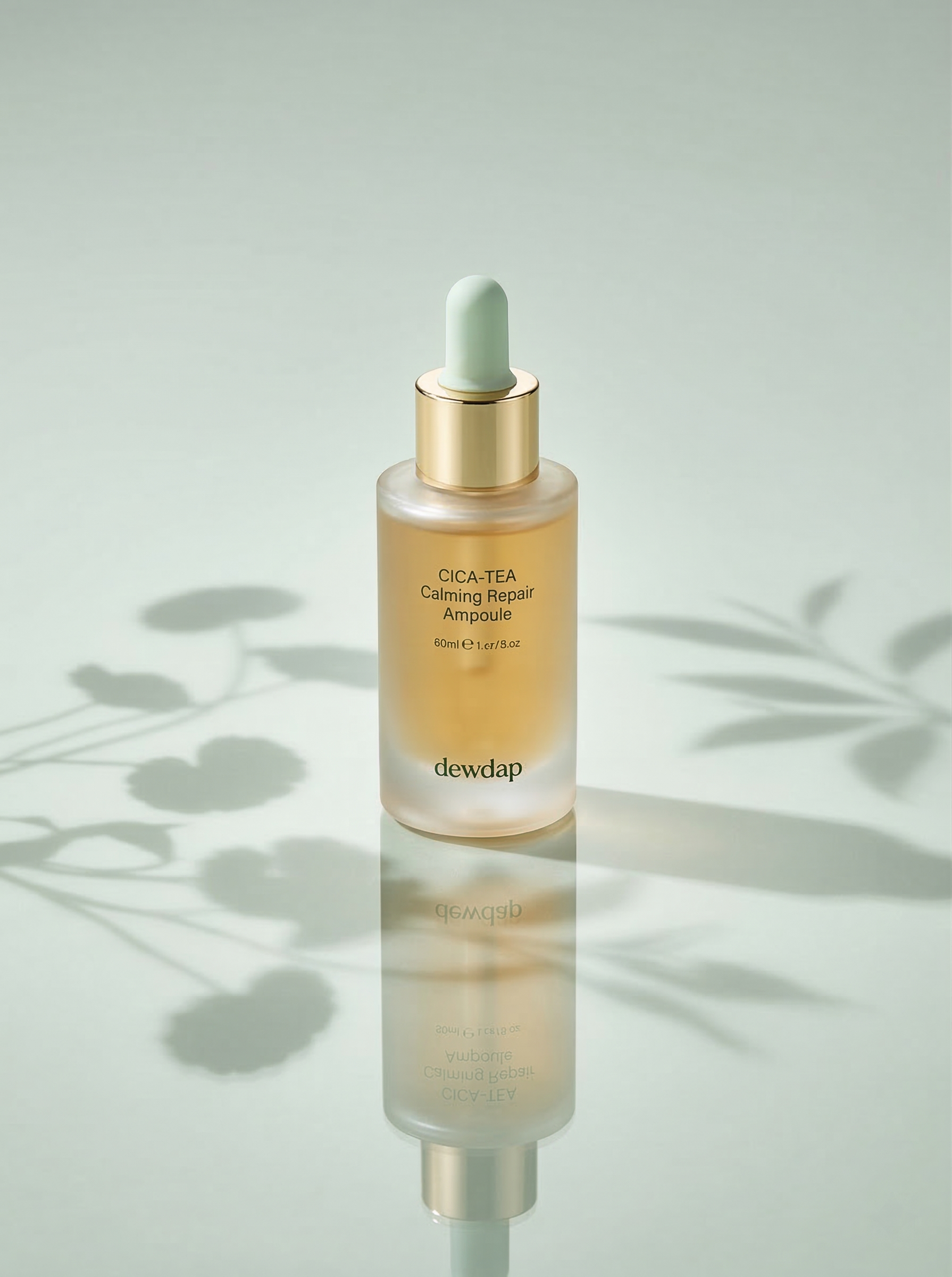
The Dewdap CICATEA Calming Repair Ampoule is a representative example: it delivers a high concentration of centella asiatica-derived actives in a potent yet gentle formula designed for skin that needs serious calming and barrier repair.
Some people use ampoules daily; others reserve them for targeted treatment periods. Both approaches are valid, depending on the product and your skin’s needs.
Popular Serum Ingredients in Korean Skincare
Hyaluronic Acid
Hyaluronic acid is a humectant that draws water into the skin, providing instant plumping and hydration. Korean HA serums often feature multiple molecular weights – high-molecular-weight HA hydrates the surface, while low-molecular-weight HA penetrates deeper. This multi-layer approach delivers both immediate and lasting hydration.
Best for: Dehydrated skin, aging skin, all skin types seeking hydration.
Vitamin C
Vitamin C (L-ascorbic acid and its derivatives) is a potent antioxidant that brightens the complexion, fades dark spots, stimulates collagen production, and protects against environmental damage. Korean vitamin C serums come in various forms:
- L-ascorbic acid – The most potent but least stable form. Effective at concentrations of ten to fifteen percent.
- Ascorbyl glucoside – More stable, gentler, and suitable for sensitive skin.
- Ethyl ascorbic acid – Good stability and effectiveness, increasingly popular in K-beauty formulations.
Best for: Dull skin, hyperpigmentation, sun damage, aging prevention.
Niacinamide
Niacinamide (vitamin B3) is a versatile ingredient that regulates sebum, reduces pore appearance, brightens skin tone, and strengthens the barrier. It is well-tolerated by most skin types and pairs well with nearly every other active ingredient.
Best for: Oily skin, enlarged pores, uneven skin tone, barrier support.
Snail Mucin
Snail secretion filtrate contains glycoproteins, allantoin, hyaluronic acid, and zinc. It hydrates, promotes cell turnover, soothes irritation, and helps repair damaged skin. Snail mucin essences and serums are iconic in K-beauty and remain bestsellers worldwide.
Best for: Dehydrated skin, post-acne marks, irritated skin, general repair.
Propolis
Propolis is a bee-derived ingredient rich in flavonoids and antioxidants. It has natural antibacterial properties, making it useful for acne-prone skin, while its anti-inflammatory effects help calm redness. Propolis serums also provide gentle hydration and a healthy glow.
Best for: Acne-prone skin, dull skin, skin needing gentle healing.
Centella Asiatica
Centella serums and ampoules focus on calming inflammation, repairing the barrier, and promoting wound healing. They are ideal for sensitive, irritated, or post-procedure skin.
Best for: Sensitive skin, irritated skin, barrier repair, post-acne healing.
Peptides
Peptide serums signal the skin to produce more collagen and elastin. They are excellent anti-aging treatments that work without the irritation risk of retinoids.
Best for: Aging skin, loss of firmness, fine lines.
How to Choose a Serum by Skin Type
Choosing the right serum depends on your primary skin concern and your skin type.
| Skin Type / Concern | Recommended Serum Type |
|---|---|
| Dehydrated skin | Hyaluronic acid serum or snail mucin essence |
| Oily, acne-prone skin | Niacinamide serum or propolis ampoule |
| Dull, uneven tone | Vitamin C serum or galactomyces essence |
| Sensitive, irritated skin | Centella ampoule or beta-glucan serum |
| Aging, fine lines | Peptide serum or retinol serum (evenings only) |
| Combination skin | Niacinamide serum (balances oil and hydration) |
If you have multiple concerns, you can use different serums in your morning and evening routines, or alternate them on different days. However, avoid layering too many active serums in a single routine – two to three treatment steps is the practical maximum.
Layering Order: Where Serums Fit in Your Routine
In Korean skincare, products are applied in order from thinnest to thickest consistency. The general layering sequence for treatment products is:
- Toner (thinnest, most watery)
- Essence (lightweight liquid)
- Serum (slightly thicker, more concentrated)
- Ampoule (most concentrated treatment)
- Moisturizer (cream or gel to seal everything in)
You do not need to use all four treatment steps every day. A typical routine might include a toner, one serum, and a moisturizer. On days when your skin needs extra attention, you might add an essence or swap your serum for a more concentrated ampoule.
Rules for Layering Multiple Serums
If you want to use more than one serum in the same routine, follow these guidelines:
- Apply water-based products before oil-based ones – Watery serums go first; anything with an oilier or silicone-based texture goes after.
- Apply thinner textures before thicker ones – A lightweight niacinamide serum goes before a viscous snail mucin essence.
- Wait 30-60 seconds between layers – Allow each product to absorb before applying the next. If a product pills (forms small balls on the skin), you are either applying too much or not waiting long enough.
- Avoid combining actives that conflict – The most commonly cited example is vitamin C (L-ascorbic acid) and niacinamide. While modern research suggests they can be used together safely, if you experience flushing, apply them in separate routines (vitamin C in the morning, niacinamide in the evening).
Application Tips for Maximum Effectiveness
How you apply your serum matters as much as which serum you choose.
Use the Right Amount
Most serums require only two to three drops for the entire face. Using more does not increase effectiveness and can lead to pilling or a sticky finish. Ampoules, being more concentrated, may need even less – one to two drops can be sufficient.
Apply to Damp Skin
Serums absorb best when applied to slightly damp skin. After your toner step, while your skin is still moist, apply your serum immediately. This helps the active ingredients penetrate more effectively and prevents the product from sitting on dry skin.
Press, Do Not Rub
Dispense the serum onto your fingertips and press or pat it gently into your skin. Rubbing creates friction, which can irritate sensitive skin and reduce the amount of product that actually absorbs. Use your palms to warm the product slightly before pressing it into your face and neck.
Do Not Forget Your Neck
Your neck and decolletage age just as quickly as your face. Extend your serum application to these areas for a more consistent complexion.
Be Consistent
Serums deliver their best results with consistent, daily use over weeks and months. A vitamin C serum needs six to eight weeks of regular use before you see significant brightening. A peptide serum needs similar consistency for firming results. Do not abandon a product after a week because you have not seen dramatic changes.
Building Your Serum Collection
You do not need a dozen serums to have an effective routine. A well-chosen collection of two to three serums that address your primary concerns is more than sufficient. A practical starting point:
- One hydrating serum (hyaluronic acid or snail mucin) for daily use
- One targeted treatment serum (vitamin C, niacinamide, or centella) for your specific concern
- One intensive ampoule (like the Dewdap CICATEA Calming Repair Ampoule) for periods when your skin needs extra support
From this foundation, you can expand and experiment as you learn what your skin responds to best. Korean serums offer an extraordinary range of options, and finding the right combination for your skin is one of the most rewarding aspects of the K-beauty journey.